
The big question that keeps popping up in my inbox every week: What qualifications do I need for microblading? – and it’s getting old fast. I’m Olha Po, founder of Face Figurati in Melbourne, and Ive been performing cosmetic tattooing for nearly a decade – and let me tell you, after all that time, I’ve got a pretty good idea of what you should be doing, what you can get away with if you want to, and what really matters in the world of cosmetic tattoos.
So here’s the straight answer right from the start: in Australia, you really need Infection Control certification, treatment-specific cosmetic tattoo training, and to be council-compliant before you can even think about doing a brow tattoo on a client. required units, sort out Infection control, and meet all the usual health and safety regulations that professional tattoo artists must follow in Australia.
Now let’s take a closer look because “microblading certification” isn’t just some one-off course, licence, or form you need to fill out with the Australian government. And trust me – if you want to avoid the kind of mistakes I have to correct all the time in my Melbourne studio, you should read this really carefully.
Core Requirements Before Your First Client
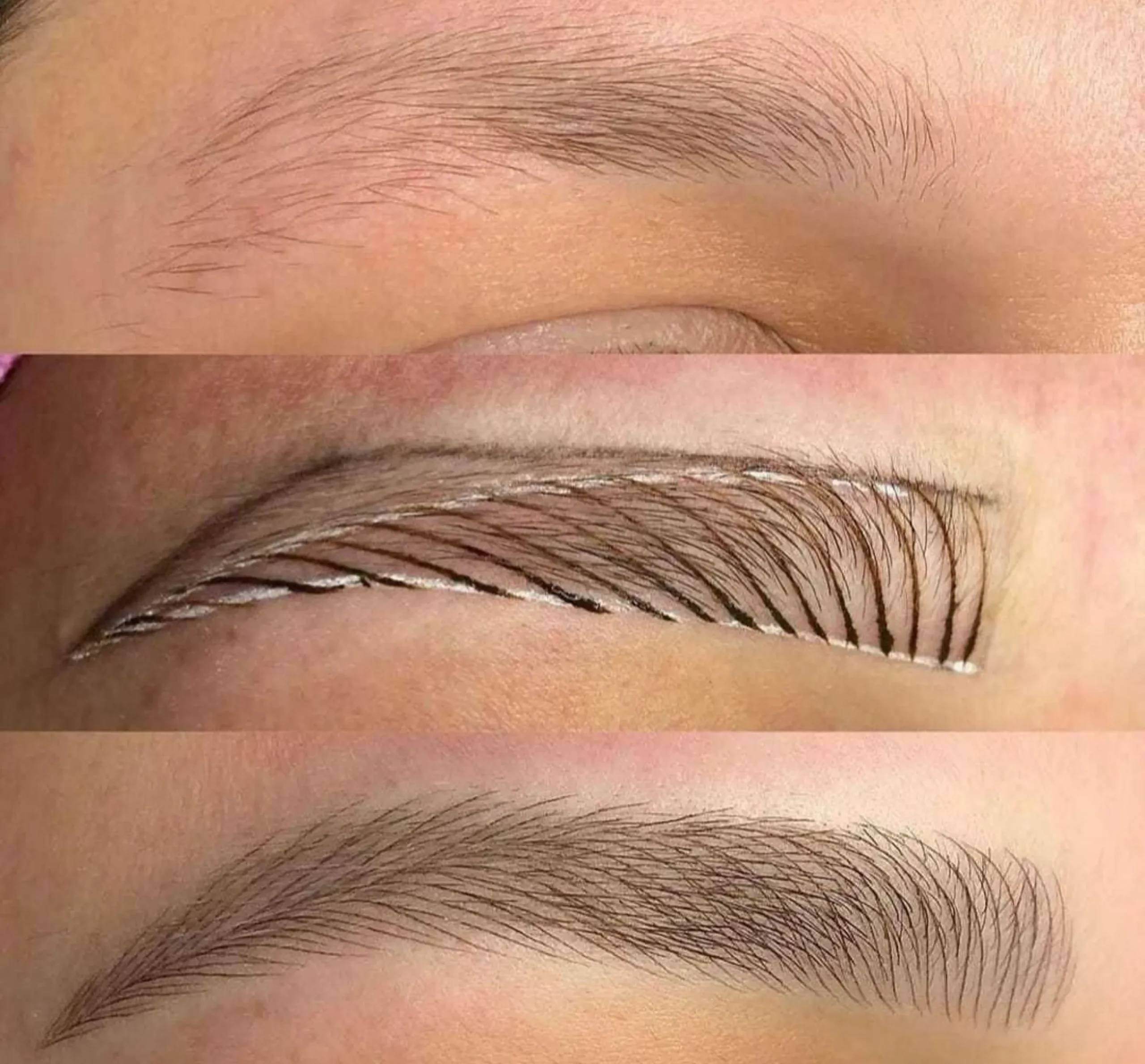
Before we get bogged down in the details of pigments, strokes and practice skin, I want to make sure you’ve got a solid foundation in place that will keep you and your clients safe. Most beginners really underestimate just how much work this is going to be. Microblading is basically a form of permanent makeup, and councils across Australia take that very seriously.
You’ll need to complete the required units, sort out Infection control, and meet all the usual health and safety regulations that professional tattoo artists must follow. Sounds intimidating at first, but once you understand why all these rules exist – it’s all about protecting the client’s skin and stopping the spread of germs – it all makes a lot more sense.
And hey, if it makes you feel any better: every top cosmetic tattooist I know started right where you are now – Googling “what qualifications do I need for microblading?” in the hope of finding a clear answer that doesn’t come across like it’s been written by a government bureaucrat.
The Non-Negotiable Aussie Rules
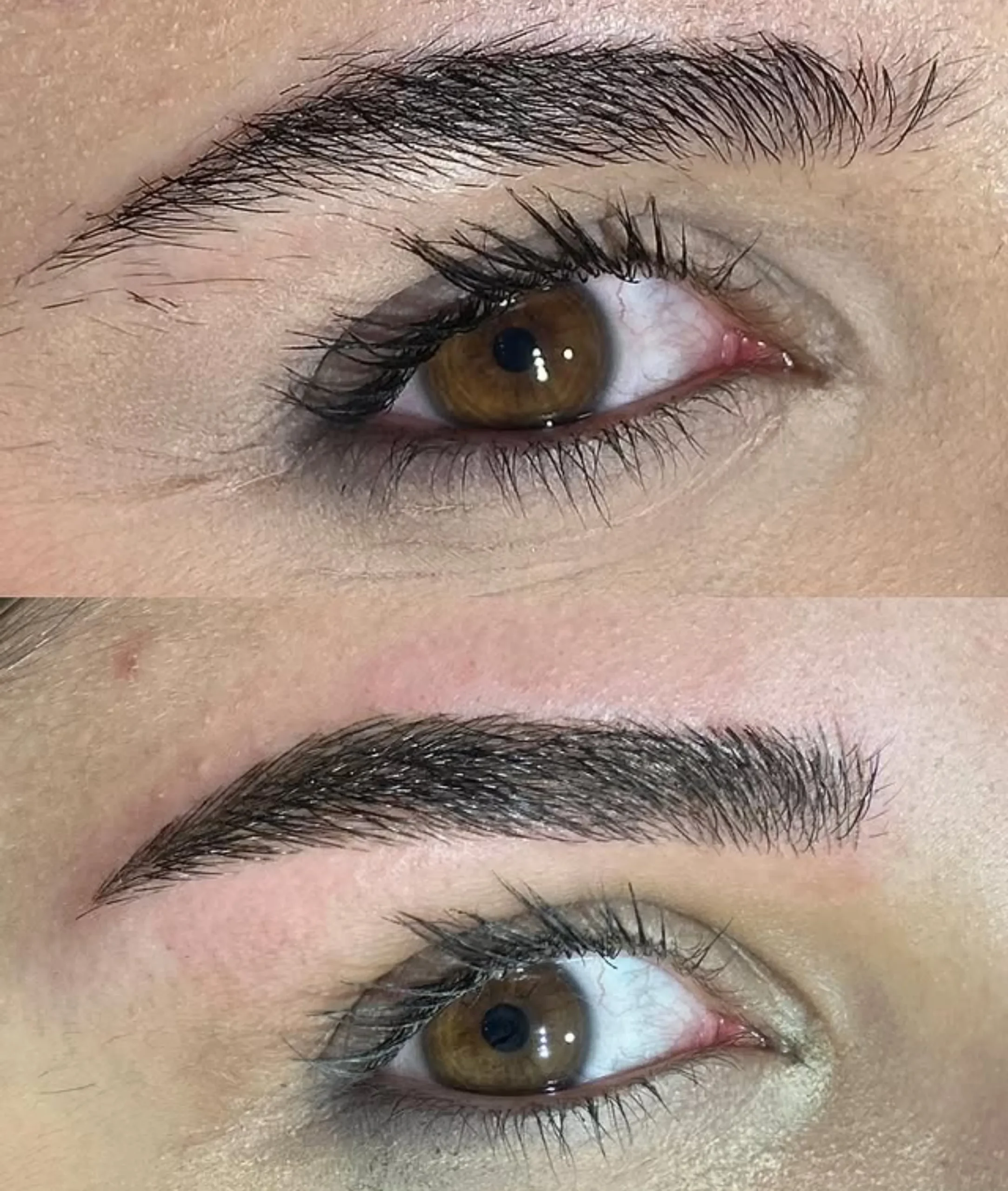
This is your rock bottom, absolute requirement if you want to legally work as a microblading artist in Australia. You must have completed:
SHBBINF002 – Maintain Infection Control Standards
(Or the latest equivalent you can get now that SHB has made some package upgrades)
This national unit covers the basics:
- How to stop bloodborne viruses in their tracks
- Prevention of cross-contamination – because that’s a horror story nobody wants
- Properly sanitising your workspace – not just wiping things down with a dirty rag
- Getting rid of clinical waste properly
- Using the right protective gear and sharps
- Making sure you’re not cutting yourself (or anyone else) on things that can hurt you
Melbourne’s councils are pretty strict, especially during the warmer months, when the humidity is so high it feels like the whole city is a petri dish for bacteria. No wonder experienced artists are always going on about hygiene – microblading is a pretty high-risk business, and even the tiniest mistake can leave someone with some serious infections.
A Certified Microblading Or Cosmetic Tattoo Course
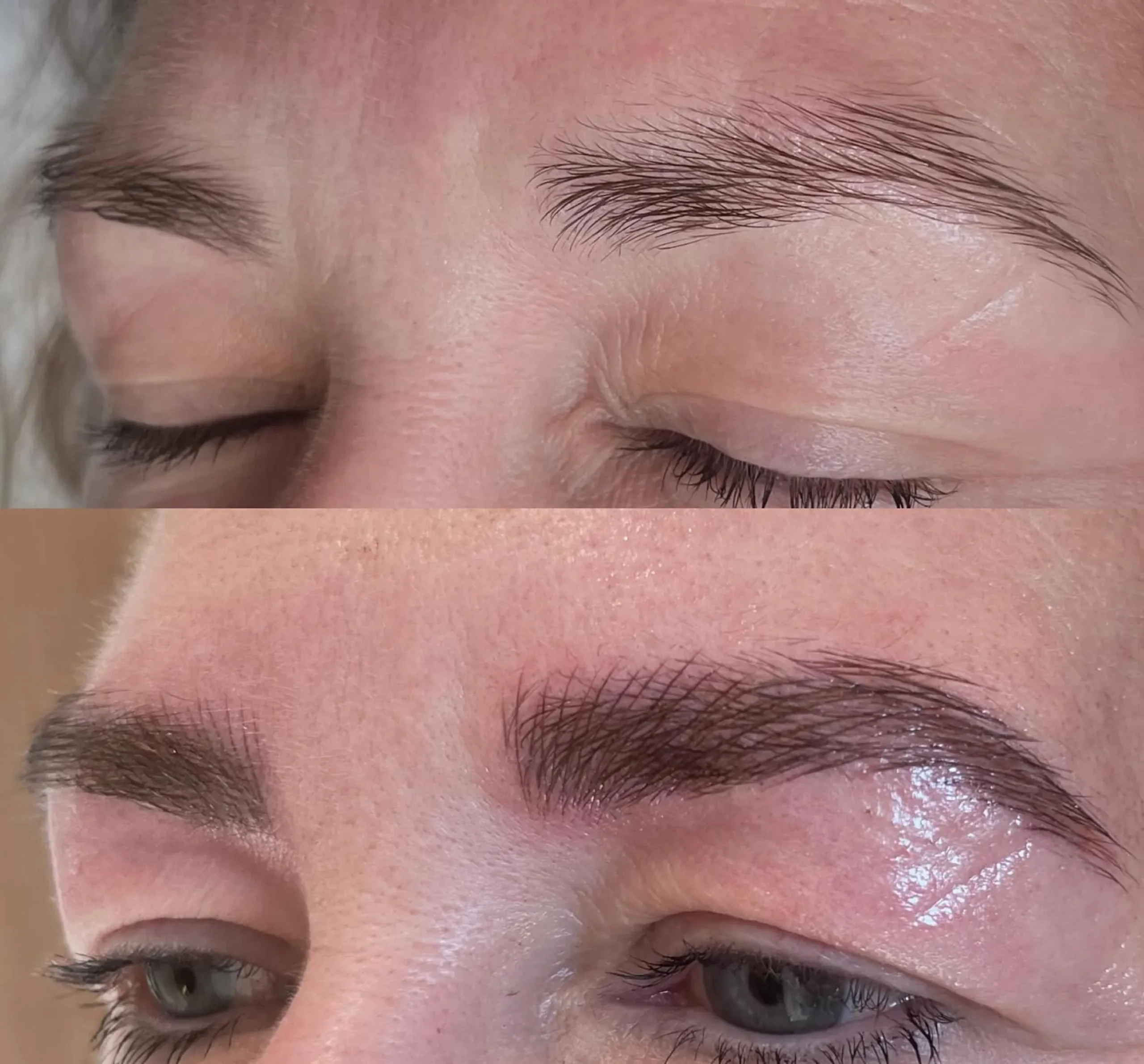
This is where you get hands-on and learn the practical skills you need to do this job. Unlike those TAFE courses that never really teach you anything, most PMU training is done through private academies (like ours over at Face Figurati). Look for one that includes:
- How to map brows for different face shapes
- Colour theory for the Aussie skin types – especially the Fitzpatrick scale
- Doing stroke patterns that will give you natural-looking results
- Getting live model practice – not just sitting in a classroom – and you really can’t do without it if you want to feel confident
- How to use hand tools vs machines
- What to do with people who have different skin types that heal in different ways
One last thing about Melbourne: our clients are often dealing with dry winter air and skin that’s just parched and tight – that affects how the pigment holds up, so your training should cover how to deal with that.
Council Registration (If Required In Your Area)
Depending on where you are, you may need to:
- Have a registered premises for doing skin-penetrating procedures
- Get public liability insurance – because accidents happen
- Get professional indemnity insurance – same reason
- Sign a contract for sharps and clinical waste
- Get approval from your local council to operate
- Have clear consent procedures and forms for your clients
It all comes down to being taken seriously and to making sure every artist who does this stuff does it safely.
Training Extras For New Brow Artists
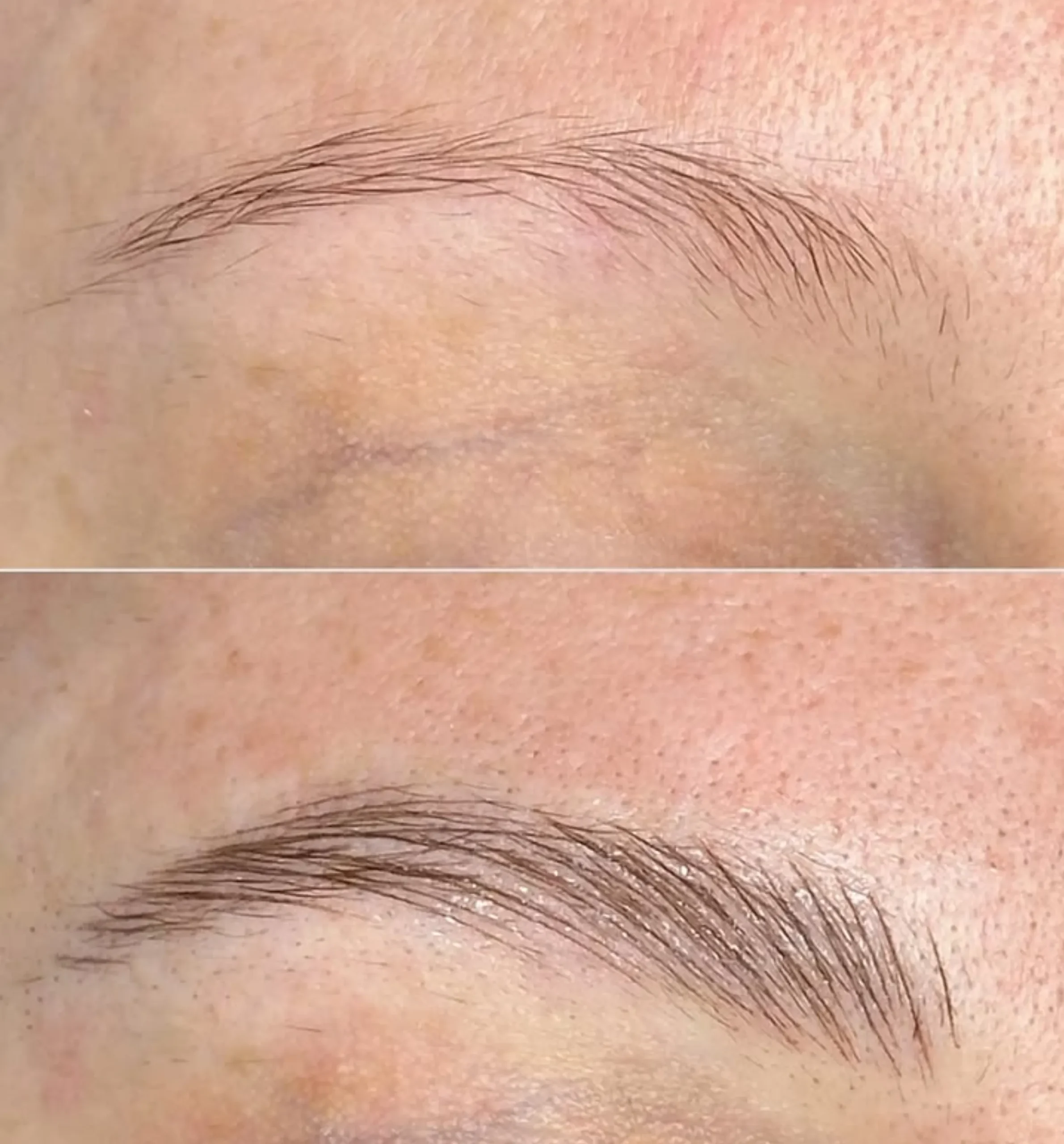
If you want clients to trust you with their brows (and have them look great after healing), then these extras are a must – even if they’re not technically ‘required’.
Colour Theory & Corrective Work Training
Guess what? Loads of clients come into my Melbourne studio saying, “Can you sort out the mess that some other artist left behind?” The difference between a pro and a nobody? Putting the effort into understanding undertones, how much pigment lasts, and all the other little details that go into making eyebrows that look – and heal – like a dream.
Advanced Brow Mapping Workshops
If you want to create eyebrows that look gorgeous and last, it all starts with understanding your client’s bone structure. And no, following whatever the latest Instagram trend might be isn’t going to cut it. That’s what lets people make the ‘one shape fits all’ mistake, leaving more clients than you can shake a stick at looking to get it sorted out.
First Aid & CPR
Okay, so this isn’t a legal requirement or anything – but trust me, if you’re working on your own or in a home studio, it’s a whole lot more handy to know than it would be otherwise.
At Face Figurati, our advanced training and microblading training with Olha Po are all about getting the fundamentals right – like understanding different skin types, mapping stuff with precision, and how the pigment behaves. If you get this stuff right, you’ll end up with a whole heap more confidence – and a way higher chance of getting professional respect.
What Happens If You Skip These Qualifications?
Okay, let me give you an example from real life (but I won’t be naming names)
I had a client come in with some pretty badly botched microblading work from someone who’d skipped out on these extra qualifications. Her brows had healed up a weird grey-blue colour, were all uneven, and had a bit of scarring on top. It turned out the original artist was completely clueless about things like infection control and had no idea how to handle oily skin.
Fixing that mess took:
- A load of saline lightening sessions to get the colour sorted
- More than a couple of tries at getting the colour right again
- A 12-month wait to avoid making it worse
And you know what? If you want to have a long and happy time in this industry, you need to see these extra qualifications as more than just a bit of paperwork – they’re your insurance against making a mistake, getting hit with a lawsuit, and upsetting a client.
A Quick Comparison: Minimum vs Preferred Qualifications
Here’s a clear breakdown so you know exactly where you stand:
Training Checklist For Microblading Artists In Australia
| Qualification / Requirement | Mandatory? | Purpose |
|---|---|---|
| SHBBINF002 Infection Control | Yes | Legal requirement, safety, compliance |
| Certified Microblading Course | Yes | Practical skills, technique training |
| Council Premises Registration | Often | Legal studio operation |
| Insurance (Professional Indemnity & Public Liability) | Yes | Protects you and clients |
| Colour Theory Training | Highly recommended | Better healed results |
| Brow Mapping Workshops | Highly recommended | Shape accuracy |
| First Aid & CPR | Optional | Risk management confidence |
According to industry data, over 82% of Australian cosmetic tattoo artists pursue additional mapping or colour theory training within their first 12 months — because real clients rarely behave as textbook diagrams suggest.
How Long Does It Actually Take To Become Qualified?
Most artists typically wrap up their:
- Infection-control certification training in a day – and then you’re done.
- Microblading certificate in 3 to 5 days of classroom training, practising, plus plenty of time spent practising at home.
- Model work – which usually adds up to around 20-50 hours of hands-on practice.
But let’s be real here, realistically, it’ll probably take you about 6-12 weeks before you feel confident enough to start taking on paid clients.
In Melbourne, I’ve found that students do best when they slow down and do most of their training during the cooler months. Summer can be a real challenge – the humidity is just too high, and it causes any healed strokes to blur and trigger more oil production on the skin after treatment.
Your Startup Costs
Every academy is different, but here’s a rough idea of what you’re looking at:
- Infection-control course: Think around $250-$350
- Microblading course with Olha Po: That’s a bigger ticket item – around $2,000-$5000
- Starter kit + pigments: You’ll probably need to budget around $300-$800 just for the initial kit and pigments
- Insurance: That’s a yearly cost – around $300-$600
- Council fees: These will vary depending on where you’re located, so it’s hard to give a solid number on
But if you see a course that’s dramatically cheaper than these numbers, you’re probably looking at a low-quality course, one that skimps on the important stuff like quality pigments, live models or trainers with real-world experience.
When You’re Actually Ready To Tattoo Clients
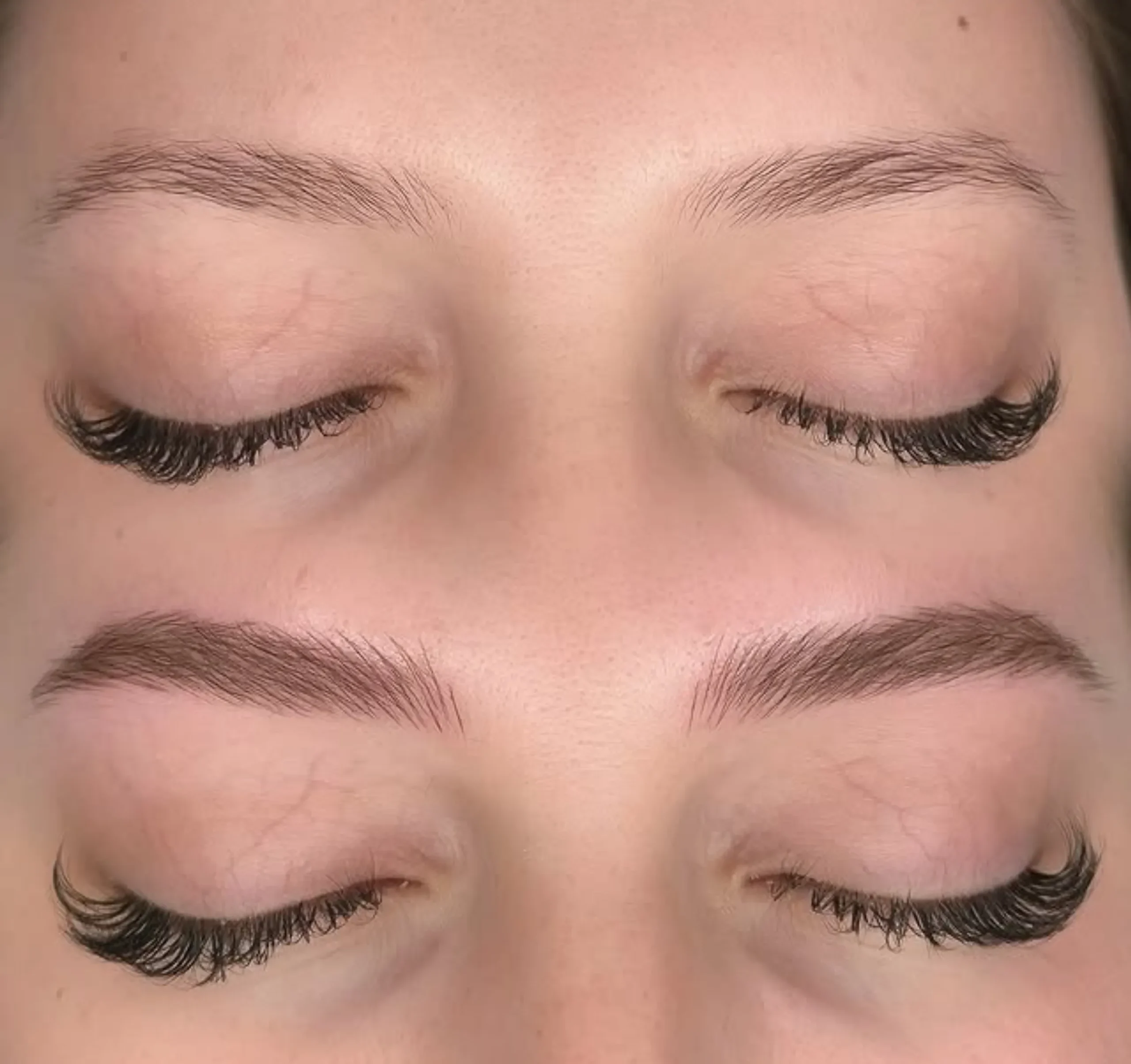
So, when do you know you’re good to go? Well, you’ll know when you can:
- Do Infection Control procedures in your sleep
- Complete each eyebrow tattoo with ease and confidence
- Choose the right eyebrow pigments for each client based on their skin type
- Do a proper client consultation and patch test without any worries
- Get the paperwork sorted – consent forms, deposits, the whole shebang
- Follow aftercare procedures to the letter
- Work within all the local and national government regulations
If any of those things feel a bit shaky to you, then you just need to keep practising – your reputation depends on it.
Helpful Nudge If You’re Just Starting Out
Becoming a microblading artist is an exciting move, but it’s not something you should rush into. You need to make sure you’ve got the right qualifications, you’re following safe hygiene practices, and you’ve got enough practice under your belt to feel confident on real skin. With the right training, a solid training manual and a good grasp of Infection Control, you’ll be able to give your clients beautiful, natural-looking eyebrows that’ll make them feel like a million bucks.
FAQ
Do I need a background in beauty first?
No, you don’t need a background in beauty to become a microblading artist. Many artists start from scratch.
Can I microblade from home in Melbourne?
Only if your home studio meets all the local council regulations for hygiene practices, waste disposal and Infection Control – there’s a lot to think about before you start working from home.
Is an online-only training course enough?
No, it’s not – you need hands-on training with real models to understand the subtleties of skin and the technique involved in microblading.
Do I need insurance?
Yes, you really need to get both professional indemnity insurance and public liability insurance to protect yourself in case something goes wrong.
Can I work interstate with my qualifications?
Most certificates are recognised across the country, but always check the local laws and regulations in the state you’re moving to.