
If you’ve ever wondered “What wildlife is dangerous in Australia?”, the answer is straightforward – yes, Australia’s got a few deadly animals and fearless predators you should take seriously – but the chances of running into trouble are incredibly low. Millions of people make the trip to the outback, beaches, and rivers every year without even getting a scratch.
I’m having what you call a ‘life of wandering’ across the Northern Territory, Queensland’s coast, and the dusty back roads of the outback. And the truth is, the myths are way more terrifying than the reality. In the vast majority of cases, Aussie wildlife just wants to be left alone. So if you stick to local advice, keep your distance, and watch your step, the biggest thing that’ll probably get to you is a nasty sunburn or a swarm of mozzies.
This guide takes a closer look at the animals you should know about – from saltwater crocs and brown snakes to an occasional great white shark or box jellyfish. You know, the sort of creatures that get all the headlines.
The Animals That Actually Cause The Most Trouble
Australia’s got a reputation for being home to some of the most deadly creatures on the planet – but the numbers tell a different story. Most of the time, injuries involve big animals, a nasty insect bite or a car accident rather than some dramatic predator encounter.
Most travellers will never even come across a wild animal that’s worth worrying about. According to what they’ve written in Australian Geographic and the sorts of studies published in the Australian Veterinary Journal, most animal injuries are actually caused by horses, cattle, or a dodgy reaction to an insect sting rather than anything to do with all those ‘deadly’ wild animals.
Annual Wildlife-Related Injuries In Australia
Animal / Cause Typical Risk Notes
Horses Highest injury rate Falls and kicks are common in rural areas
Cattle Moderate injuries Usually farm-related incidents
Bees & Wasps Allergic reactions Medical emergencies possible
Dogs Bites Mostly domestic incidents
Kangaroos Vehicle collisions Major hazard on rural roads
Snakes Rare fatalities Australia averages about 1–2 deaths per year
Sharks Very rare fatalities Usually fewer than 2 deaths per year
While Australia is famous for its dangerous species, encounters that lead to hospitalisation remain extremely uncommon.
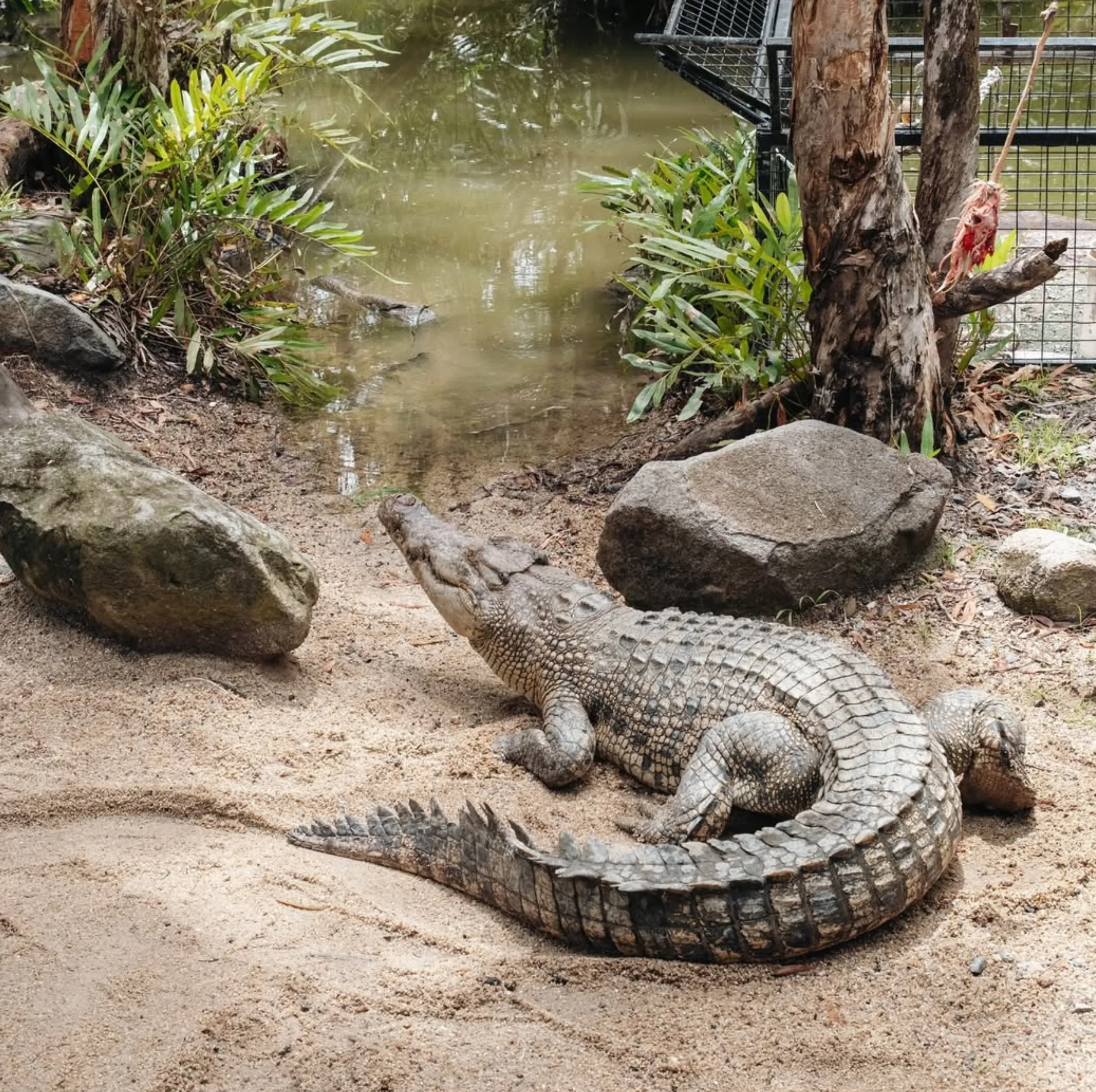
Saltwater Crocodiles – The Real Boss Of Northern Rivers
If there’s one Aussie favourite that gets treated with a healthy dose of respect and caution, it’s the Saltwater croc. These enormous reptiles rule the waterways all over northern Australia, and are without a doubt one of the most powerful predators out there – anywhere in the world.
You’ll find Saltwater Crocodiles swimming in rivers, billabongs, wetlands and estuaries right across the Northern Territory, Cape York and other tropical parts of Australia. Places like the Katherine River & the waterways around Nitmiluk National Park all have clear croc warning signs to remind visitors to keep a safe distance from the water.
Saltwater Crocs can get longer than 5 metres and are deadly hunters – compare that to a big old shark. In some areas, wildlife authorities get out the crocodile traps to catch and relocate any croc that gets too close to populated areas.
For anyone heading out to explore northern waterways, the number one rule is simple: treat these waterways like they’re croc country, unless there’s a clear sign saying it’s safe to get in the water. That advice applies whether you’re just poking around on the riverbank, fishing or walking through the wetlands.
Venomous Snakes You Might Encounter In The Bush
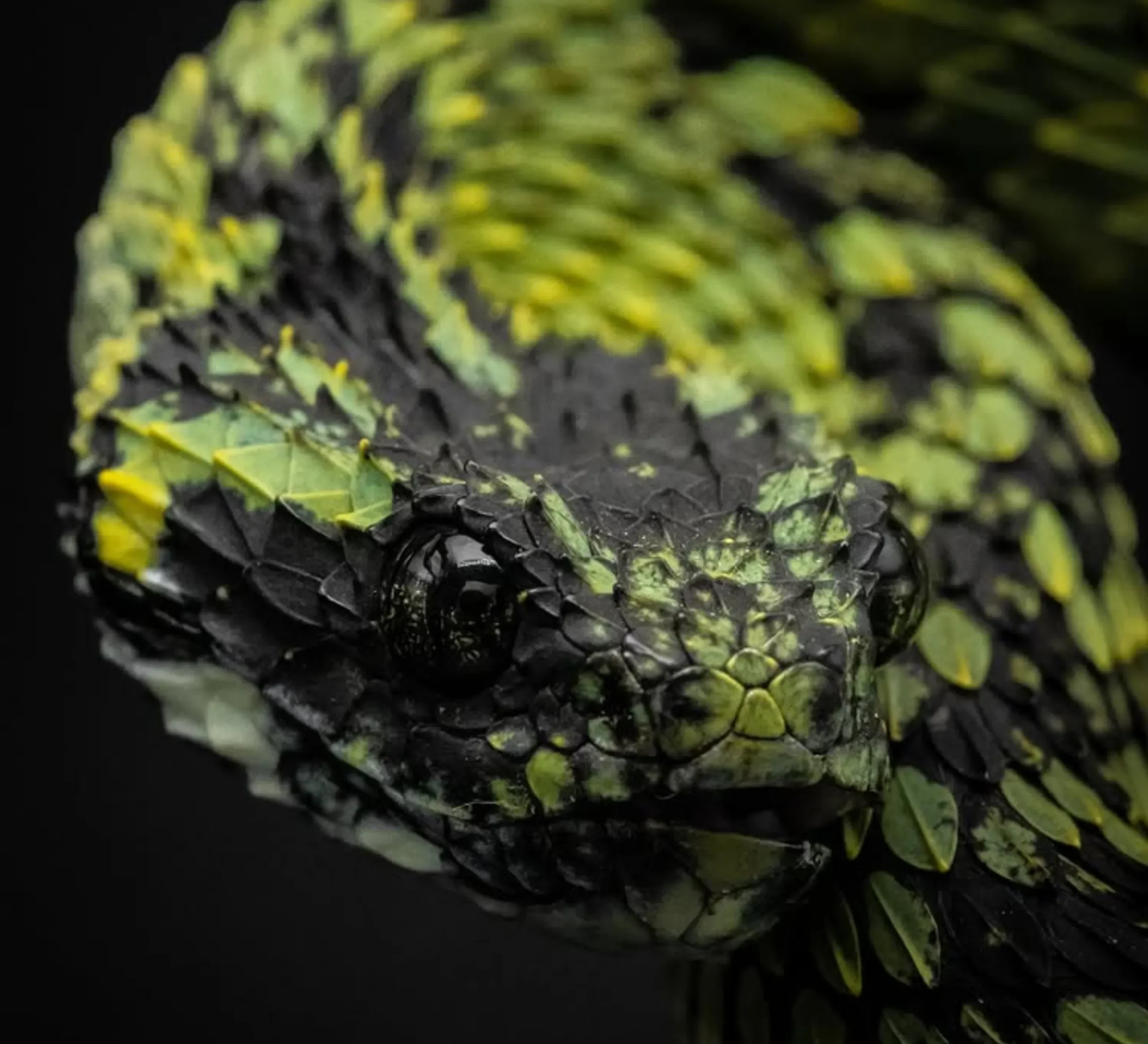
Australia’s got its fair share of venomous marine and land snakes, and some species – like the Native Taipan and Brown Snakes – are right up there with the most venomous on the planet. You’ve probably heard of the Oriental brown snake before – they’re pretty common near farmland and bush edges.
Even though they are out there, snake bites are a pretty rare occurrence for travellers. The data from Aussie hospitals shows that modern antivenom treatment has all but wiped out fatalities in cases of snake bites.
The usual reason for snake encounters is when people stumble on a snake while walking or try to pick one up. When you’re bushwalking or exploring off the beaten track, it’s just a good idea to keep an eye on where you put your feet.
Snakes play a vital role in keeping Aussie ecosystems healthy by controlling mice and other small animals. If you’re out exploring, taking the time to understand a bit about how snakes work is just part of being a responsible nature tourist in Australia.
Marine Creatures That Demand Respect
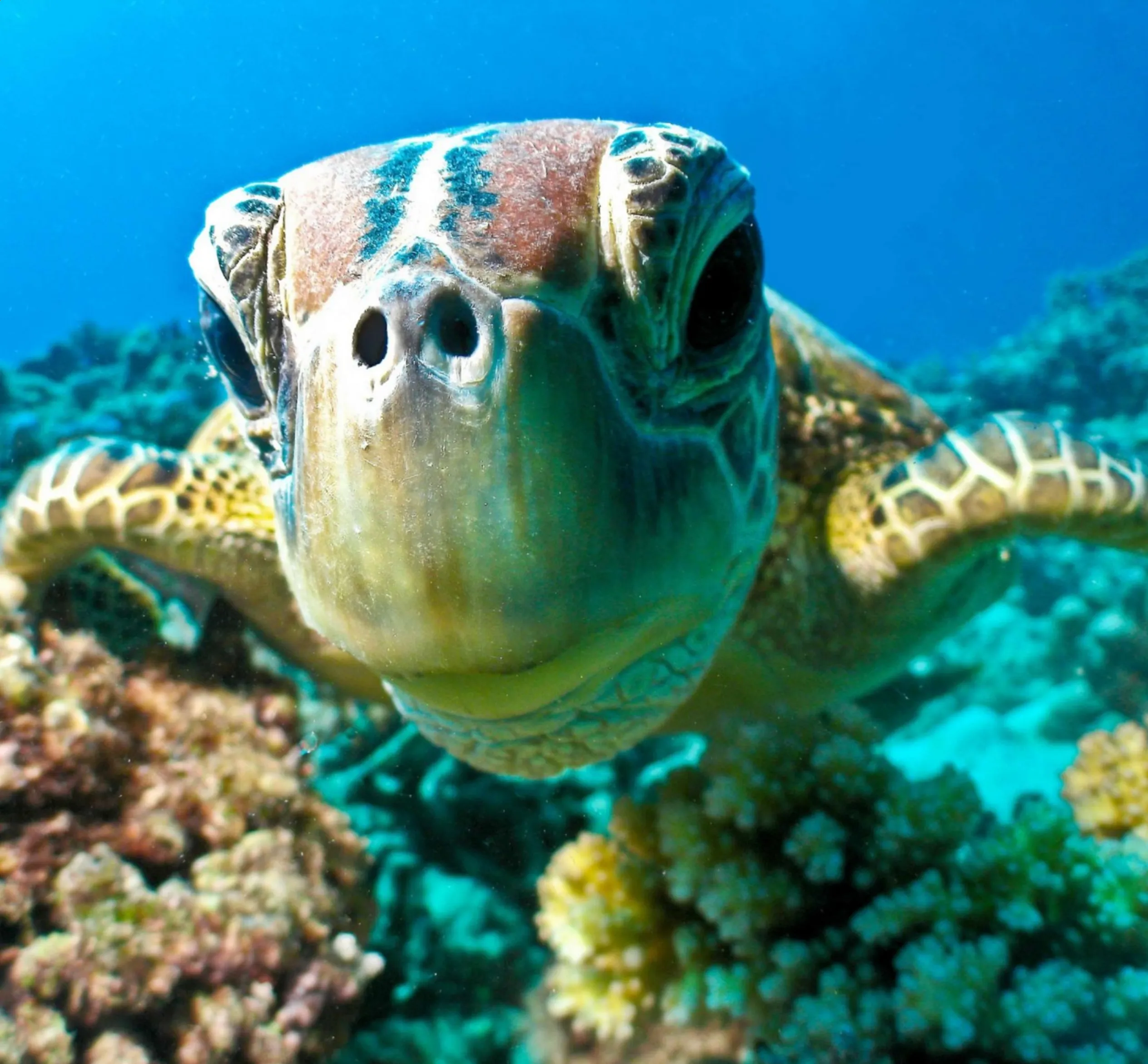
Our oceans are just teeming with marine life, and around the Great Barrier Reef, you get visitors from all over the world coming to snorkel or scuba dive with the fish and coral.
Most of the marine life will leave you alone, but there are a few species you should be aware of.
The northern waters can have box jellyfish and Irukandji jellyfish – it’s worth knowing that these tiny little buggers are particularly common in the warmer months around Far North Queensland.
The blue-ringed octopus is a pretty famous little bloke – it likes to hide in rockpools and coral rubble. And despite its tiny size, it’s got a pretty nasty sting. Even the beautiful cone shells – sometimes called the ocean jewel – can give you a nasty sting if you handle them.
For anyone heading out to enjoy the ocean, just stick to admiring the marine life from a distance – no touching.
Sharks – Famous But Surprisingly Rare Threats
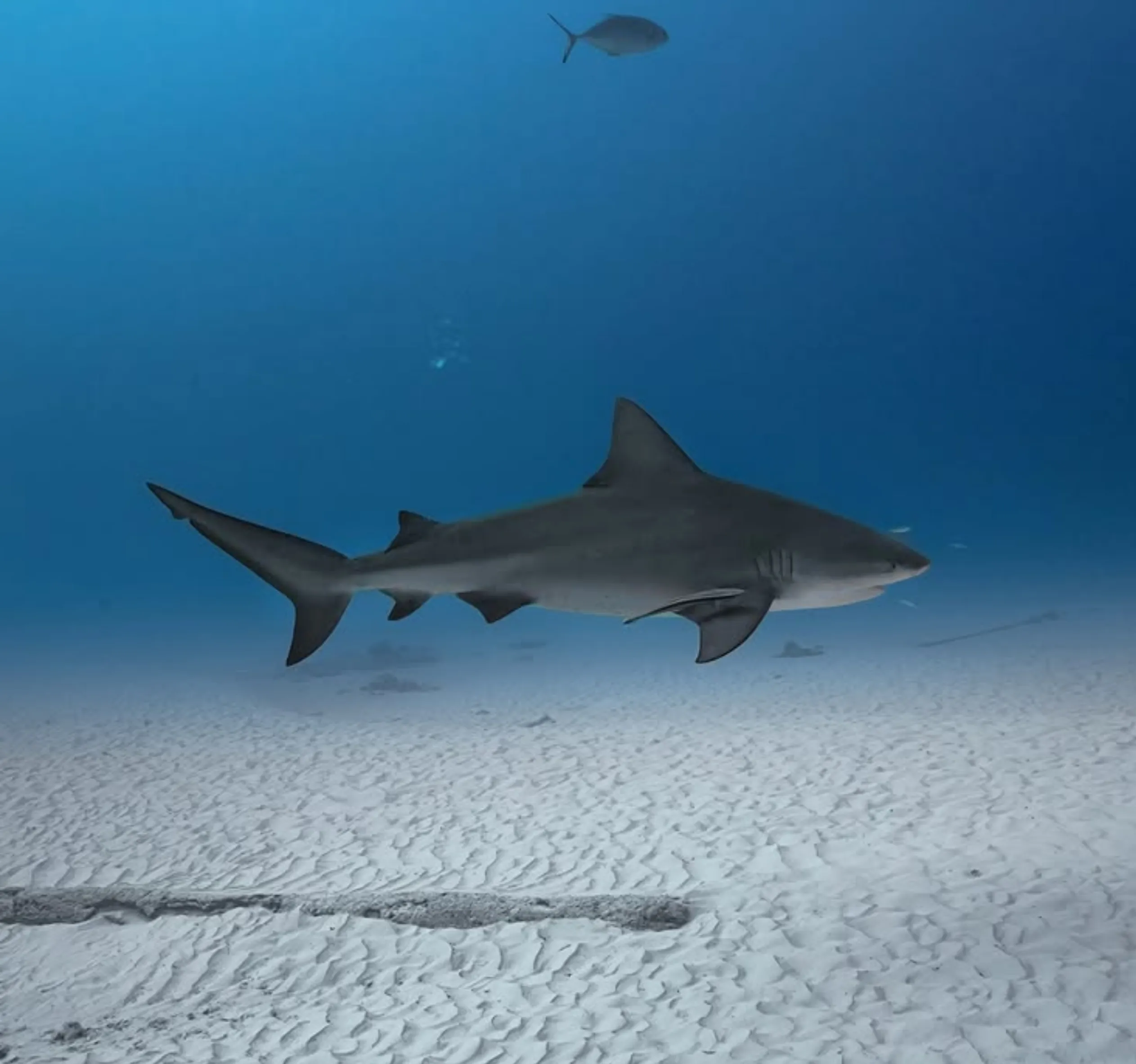
Sharks hog the headlines and documentaries, but shark attacks are about as rare as a fine Australian summer.
Australian waters are home to some pretty well-known shark species, such as the Great White, tiger shark, and Bronze Whaler. The Great white – often billed as one of the largest predatory fish in the world – tends to get a lot of media attention.
Despite this reputation, millions of people still manage to get in the water each year along Australia’s coastline – be they swimmers, surfers, or divers. And when you think about it, the number of recorded shark bites is actually pretty low considering how many people are in the ocean.
Just about every coastal town has surf lifesavers on patrol, and swimming at patrolled beaches where flags are up is a pretty low-risk proposition. These beaches are watched over by surf lifesavers who keep an eye out for just about anything that could be a hazard – strong currents, marine life, the works.
For most people visiting the coast or checking out the Great Barrier Reef, sharks are just more fascinating than frightening.
Small Creatures That Pack A Punch
Not every potentially deadly creature in Australia is a monster. Some of the most famous ones are small enough to hide under a rock or in a garden pot.
Australia’s got a few pretty notable spiders, including the infamous Funnel Web, the Red Back, and the mouse spider. And then there’s the Funnel Webs – those blokes are notorious for their potent venom.
Thanks to modern medicine, the story’s changed pretty dramatically. They’ve got some pretty good antivenom now, which means serious outcomes from spider bites are now as rare as a fine Australian summer.
If you’re camping or exploring bush areas, it’s just plain sensible to shake out your shoes, keep your tent zipped up, and not reach into dark spaces where spiders might be lurking.
Animals That Create Hazards On Roads
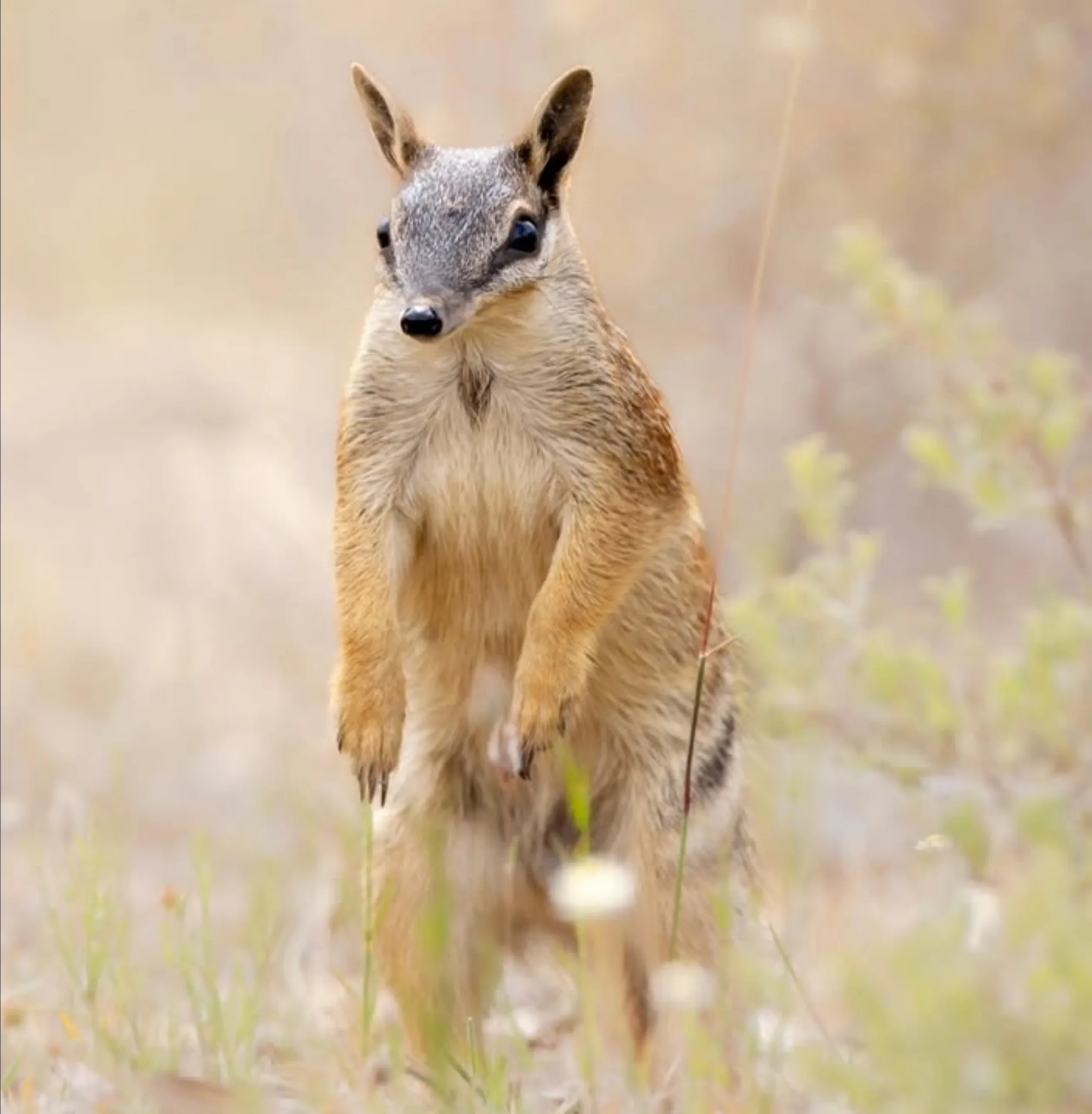
In many parts of Australia, wildlife danger isn’t about a snake or a spider crawling on you – it’s about driving.
Those big roos and other large animals are always bouncing out onto rural roads, especially at dusk.
Road-Trip Wildlife Safety
When you’re driving across remote regions:
- Try to avoid driving at night in rural areas
- Take it easy near bushland
- Keep an eye on the road edges
Many accidents in Australia involve hitting wildlife on the road rather than any sort of attack.
Practical Safety Tips For Exploring Nature
Heading into the bush, the reef, or a national park? A few simple habits make all the difference in reducing the risk of a wildlife encounter gone wrong.
Basic Safety Checklist
- Don’t be a numpty and just follow the park rules and any environmental guidance they give you.
- Respect the biosecurity measures they use to prevent the introduction of invasive species.
- Don’t be a hero; never feed the wildlife.
- Stick to the marked tracks.
- Only swim where the locals say it is safe.
- Don’t be a rebel and ignore croc warning signs near rivers.
It really is that simple – these habits protect both visitors and the wildlife.
Final Thoughts: Respect The Bush And You’ll Be Right
Australia’s reputation for being inhabited by deadly creatures has turned out to be more myth than reality. Sure, we have those infamous crocs, sharks, snakes and a few pretty scary spiders… but the truth is, people getting seriously injured or killed is hardly ever going to happen.
As long as you remember to keep an eye out for warning signs, stay well clear of any animals that are trying to leave you alone, and follow the local advice. Do that, and a wild expedition through our incredible landscapes, from the reef waters to the outback rivers, will be an unforgettable adventure rather than a dodgy venture.
And if you want to get up close to Australia’s amazing wildlife in total safety and learn more about the creatures from the experts, signing up for a wildlife tour with Wildlife Tours is a fantastic way to discover the bush, wetlands and reefs while getting a real appreciation for the incredible animals that call Australia home.
FAQ
Is Australia actually the most hazardous place for wildlife?
Not even close. We have loads of venomous animals, but the chances of something going seriously wrong are tiny, and modern medical care really is a lifesaver.
Which snakes in Australia are behind most of the snake attacks?
Most of the serious incidents are caused by Brown Snakes – particularly the ones you’ll find in the east.
How often do you get shark attacks in Australia?
Rarely – and that’s despite an absolute army of swimmers and surfers hitting the beach every year.
Are spider bites in Australia usually a big problem?
Not really – most of them just give you a bit of a nuisance. The ones to worry about, like the Funnel Web, are very rare, and the antivenom is top-notch.
Is it safe to swim near the Great Barrier Reef?
Yes – as long as you stick to the patrolled beaches and follow the guides at the reef. Just be aware of the warning signs for box jellyfish and Irukandji jellyfish at different times of the year.