
Post-course mentorship: Which actually offers it? It’s more common than you think – I get this asked a lot after students finish a cosmetic tattoo course – usually at the point when the excitement wears off and reality sets in when they actually have to work on real people’s faces.
Because let’s face it – completing a course doesn’t mean you’re ready to take on clients. It means you’ve had a taste of the skill – but you haven’t mastered it yet.
I see it all the time – students walk into my Melbourne studio feeling confident after finishing a cosmetic tattoo course. Still, you put them in front of a real client, and their confidence disappears in a heartbeat. I’ve seen this time & time again at Cosmetic Tattoo Studio Melbourne Face Figurati – and it’s exactly why we believe in the importance of proper mentoring programs.
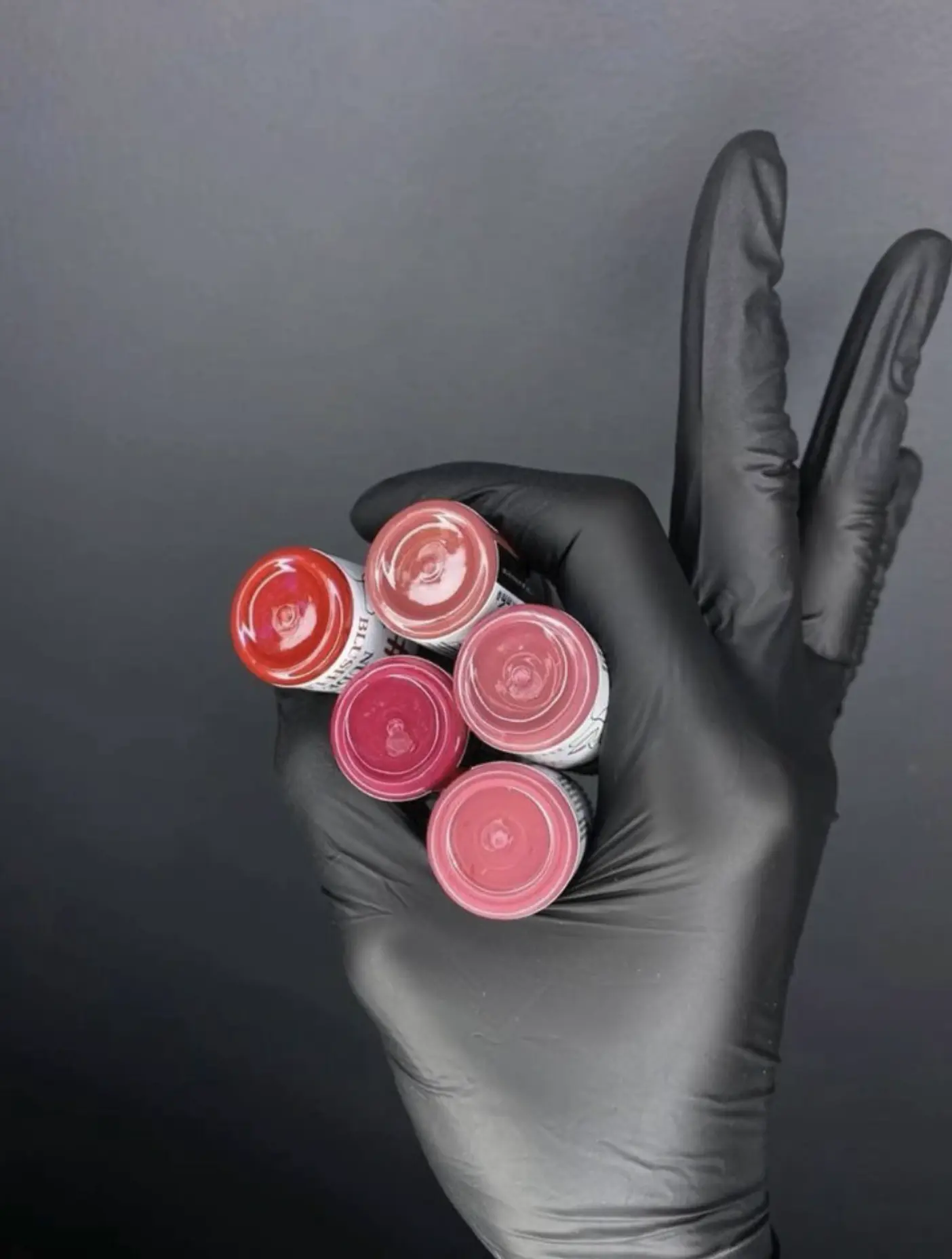
The Real Value Of Ongoing Support After Training
A certificate may prove you attended the course, but it doesn’t guarantee results. That’s where ongoing support comes in – it’s essential. A good mentoring relationship helps you turn theory into real-life practice. It’s also essential for professional development, decision making & growing your confidence – which takes time.
From my own experience, I’ve seen the biggest shift when students move from thinking they know what they’re doing to actually understanding why it works – and that takes time, consistent feedback, repetition & proper guidance.
Industry data also points to this: in Australia (IBISWorld – 2024), over 60% of new practitioners feel underprepared after certification – largely due to the lack of post-training learning and development.
Recognise Genuine Guidance Versus Empty Promises
Not all mentoring programs deliver – some sound good on paper but in reality offer very little after the course.
A proper mentoring program should be supporting your career development and connecting you with industry professionals who are actively working – not just teaching.
You should expect ongoing mentoring conversations, honest, constructive feedback and guidance tailored to your needs & progress. It’s especially important when your skills start to mature & refine – that’s where the real learning happens.
If the support you get is vague, delayed or generic, it’s not mentorship, it’s just marketing.
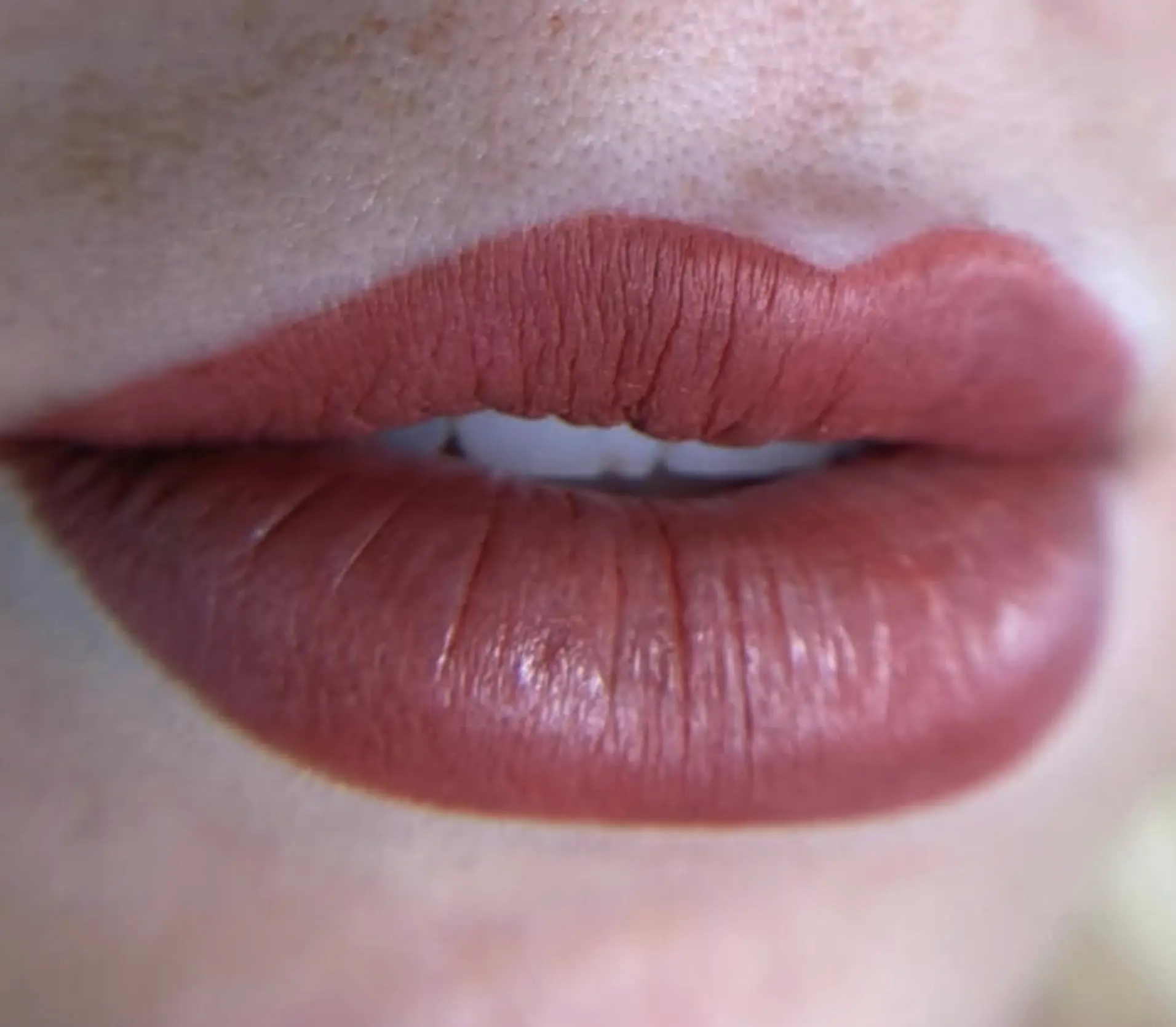
Different Support Formats Offered By Training Providers
Melbourne has a fair few training providers, but the level of support can vary significantly.
Some courses use group chat or social media to deal with queries – that’s ok for quick questions, but it’s not a substitute for structured learning – you might get an answer or you might not.
More structured options are options like scheduled sessions, online modules & workshop days – these create a clear pathway for learning, often with tools or platforms to help support your learning. Some new lip blush tattoo courses include this format, which is a step forward – but still limited if you need help right now.
The most effective option is still one-on-one support – this way you build a genuine relationship with your trainer, get personalised feedback, support during tough client situations & guidance that evolves with your skills.
At Cosmetic Tattoo Studio Melbourne Face Figurati, that’s how we do things – because we know no two students or clients are the same.
Side-By-Side Comparison Of Support Levels
| Support Type | Access Level | Feedback Quality | Best For | Limitations |
|---|---|---|---|---|
| Group Chat | Low | Inconsistent | Quick questions | No structure |
| Structured Programs | Medium | Guided | Skill progression | Limited real-time help |
| One-On-One Support | High | Personalised | Confidence and growth | Higher investment |
| In-Studio Experience | Very High | Hands-on | Real-world application | Limited availability |
Lessons From Real Student Experiences
A student came to me after completing a lip tattoo course elsewhere, with a short-lived sense of confidence that was shattered as soon as her first client’s healing was uneven.
She was stumped – unsure whether the problem lay in depth, technique or the choice of pigment, i.e. colour. That’s where most newbies get lost.
We worked through it at her own pace, no rush, no guessing – a proper analysis. And with that, her technique improved, her confidence levelled out, and most importantly, her results finally became consistent.
I’ve seen this same pattern play out with students who’ve come to me after completing a fine line tattoo course. They’ve got the artistic skills down pat, but adapting to the demands of cosmetic tattooing requires a completely different mindset – it’s all about mastering pressure control, pigment understanding and being sensitive to how skin responds.
That transition is where having a good mentor becomes a no-brainer.
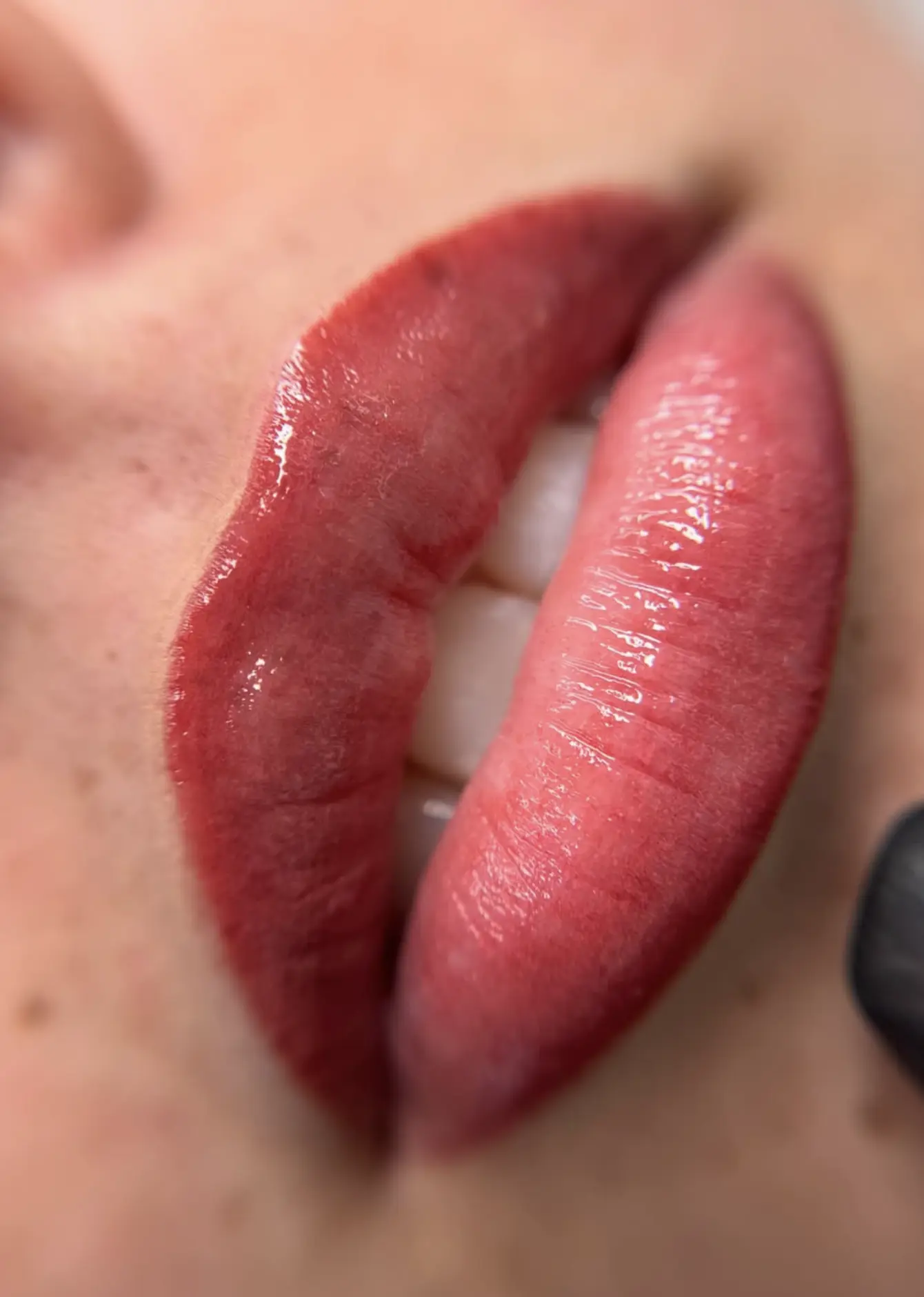
Why Local Client Expectations Raise The Standard
Melbourne clients are pretty well-informed; they research, compare and expect results that look natural, not some heavy, awkward style that’s been seen before.
They also expect to be communicated with clearly – they don’t want to be left guessing what you’re doing. Active listening and really solid workplace communication skills are pretty key here – you’re not just applying a treatment, you’re guiding someone through a process they don’t fully understand.
External factors also play a role in how well things turn out:
- Cooler months mean drier skin and slower healing.
- A lot of sun exposure in summer can make it harder for the pigment to stick.
- And if someone’s skin is sensitive, you have to be super flexible in your approach.
Trying to navigate all of that without some proper guidance can be overwhelming.
Smart Questions To Ask Before Booking Any Training
Before committing to any cosmetic tattoo training, take a moment to ask yourself the right questions.
- What kind of ongoing support do they provide?
- Do they actually review students’ healed results, or just send them off on their own?
- Is there any structured follow-up?
- Can you still reach out to them once you start doing real client work?
- And are they committed to helping you keep up with the latest developments in the field, or just happy to take your money up front?
These questions will quickly give you a sense of whether a program is actually serious about your development or just selling you a course.
Warning Signs That Should Raise Concerns
Be cautious if you notice:
- No structured training curriculum beyond the initial course
- No follow-up sessions or feedback system
- No access to working industry professionals
- Too much reliance on automated tools rather than real guidance
Then you should probably be getting a bit cautious. And watch out too for providers who are more interested in selling you extras – like tattoo removal training, for example – than in actually helping you develop.
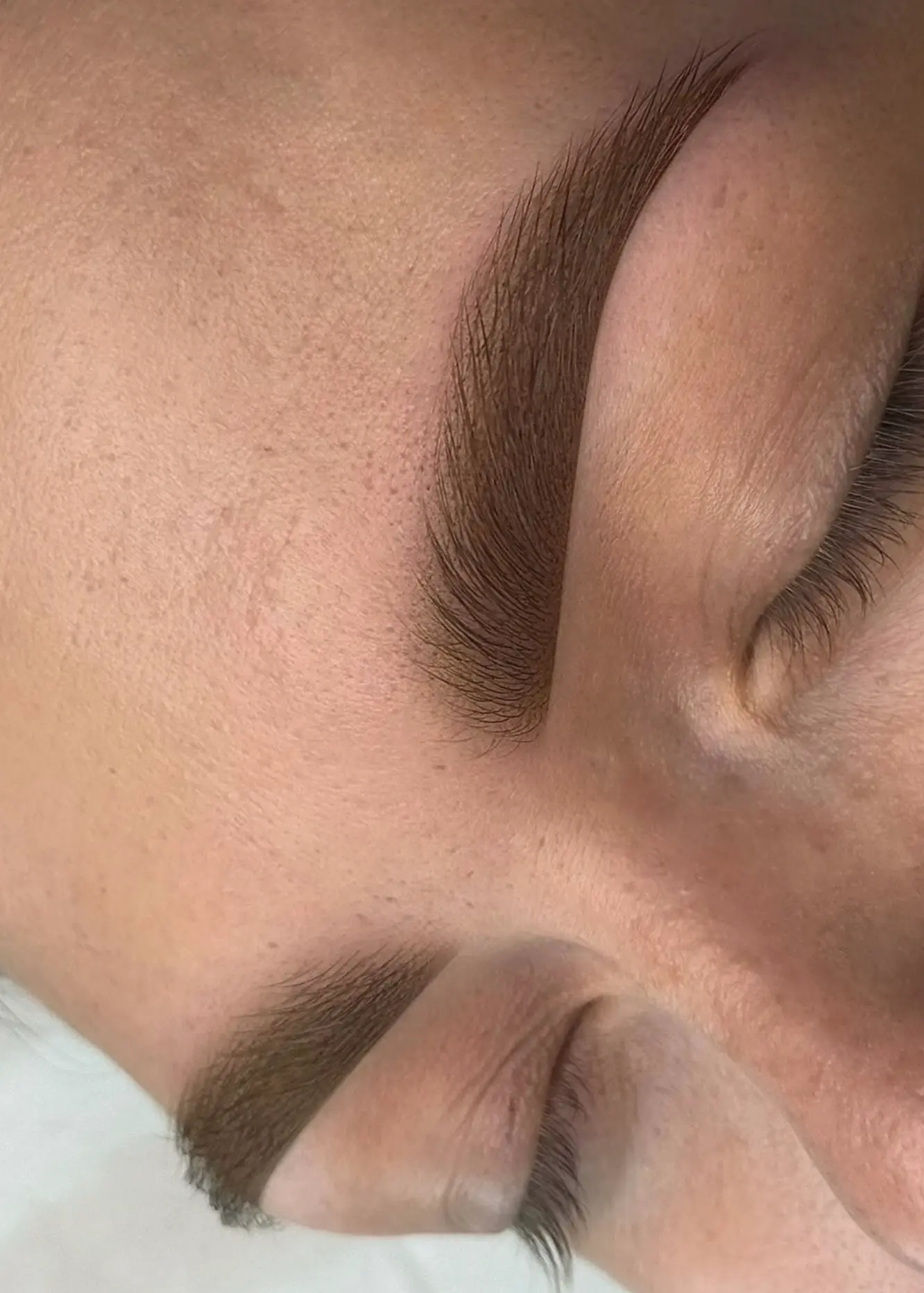
Safety, Hygiene, And Professional Responsibility
Cosmetic tattooing is one of those procedures where safety and professionalism really matter.
It’s not just about knowing the right thing to do when it comes to infection control – it’s about actually following those rules every time. And that comes from having proper guidance to rely on. If you want to stay on top of hygiene protocols, handle pigments and equipment with care, that sort of thing, then you need someone to show you the ropes.
This is a big part of being a professional in this industry – and it’s crucial for your long-term credibility.
The Financial Impact Of Proper Guidance
Let’s get down to business here.
If you don’t have proper support, you’re going to make mistakes along the way. And when that happens, you’ve got corrections to deal with, and you might struggle to charge good rates for your work.
But if you do get proper guidance, your results will improve, clients will trust you more, and your pricing will start to reflect your skill level. And in Melbourne, where this is a big business, here’s roughly what you can expect to charge:
- Eyebrows: between $400 & $900 AUD
- Lip blush: $500-$1,200 AUD
Students who get high-quality guidance in their cosmetic tattoo training tend to start earning a decent income sooner because their results are consistently good.
Final Thoughts: Choose Support That Builds Your Career
A course in itself is just the start of things
Ongoing support is what really builds your career long term.
We at Cosmetic Tattoo Studio Melbourne Face Figurati focus on teaching real skills, and helping you actually develop as a professional – not just until the course ends.
When you’re looking around at different options, don’t just look at what’s included on the first day – think about what happens after.
That’s what actually makes a difference.
FAQ
What Can I Expect After I’ve Finished The Course?
You can expect to keep practising, getting feedback, and gradually building up your confidence before taking on paying clients.
How Do I Improve My Results As Fast As Possible?
The best way to do that is to keep at it, take a good, hard look at your healed work and use the feedback you get to improve next time.
Is It Normal To Feel A Bit Uncertain At First?
Absolutely – most people start feeling like they’re winging it a bit. Confidence comes with time and practice, as well as a bit of proper guidance.
What Skills Matter Beyond Just The Technique?
You’d be surprised how much your communication skills, time management, and just being able to talk to clients the right way can affect your results.
How Do I Know When I’m Ready To Start Charging Clients?
You’ll know you’re ready when you feel confident in your work, understand what happens when your clients heal, and can manage their expectations without stress.