
Whale watching is one of the most amazing experiences in Australia. With thousands of these incredible creatures migrating along the coastline each year, visitors from all over the world flock to popular whale-watching spots like Hervey Bay, Sydney and the Great Ocean Road. But we get asked one question all the time: What time of day is best to see whales in Australia?
Australia’s coastline offers so many opportunities to see these gentle giants during their annual migration. Whether you’re making a short-hour cruise, a full-day trip, or just taking in the coastal views from hidden beaches, timing is everything to maximise your whale sightings.

Many people also combine whale watching with other regional tours. For example a Great Ocean Road day trip from Melbourne often includes scenic stops, stunning views and potential whale sightings during the winter season. If you’re planning a longer trip, look into Melbourne tour packages that feature the Twelve Apostles and other coastal highlights.
Best Time of Day to See Whales
While you can see whales any time of the day, early morning and late afternoon are generally the best times to see active animals. During these hours whale behaviour is more visible, ocean conditions are calmer and the light is perfect for viewing and photography.
1. Early Morning (6 AM – 9 AM)
- Smoother ocean: Mornings are generally smoother and help with spotting whale spouts and tail slaps.
- Active animals: Adult whales and calves are often more playful and social in the morning.
- Beautiful light: The low sun angle enhances visibility over the water and creates stunning views of whales breaching against a golden sky.
- Less crowded: Morning tours are often less crowded and more enjoyable, especially with outdoor seating.
2. Late Afternoon (3 PM – 6 PM)
- Perfect for sunset cruises: This is one of the most popular activities during whale-watching season. The late afternoon glow is magic for spotting big creatures.
- Cooler temps: Especially in summer, the sea breeze makes afternoon trips more comfortable.
- Golden hour: Ideal for getting amazing photos, especially with blue whales or humpbacks.
A Great Ocean Road Sunset Tour is also a great way to combine a scenic drive with potential whale sightings as the sun goes down.
Whale Activity and Behaviour
Different species of whale have different patterns of activity throughout the day. For example:
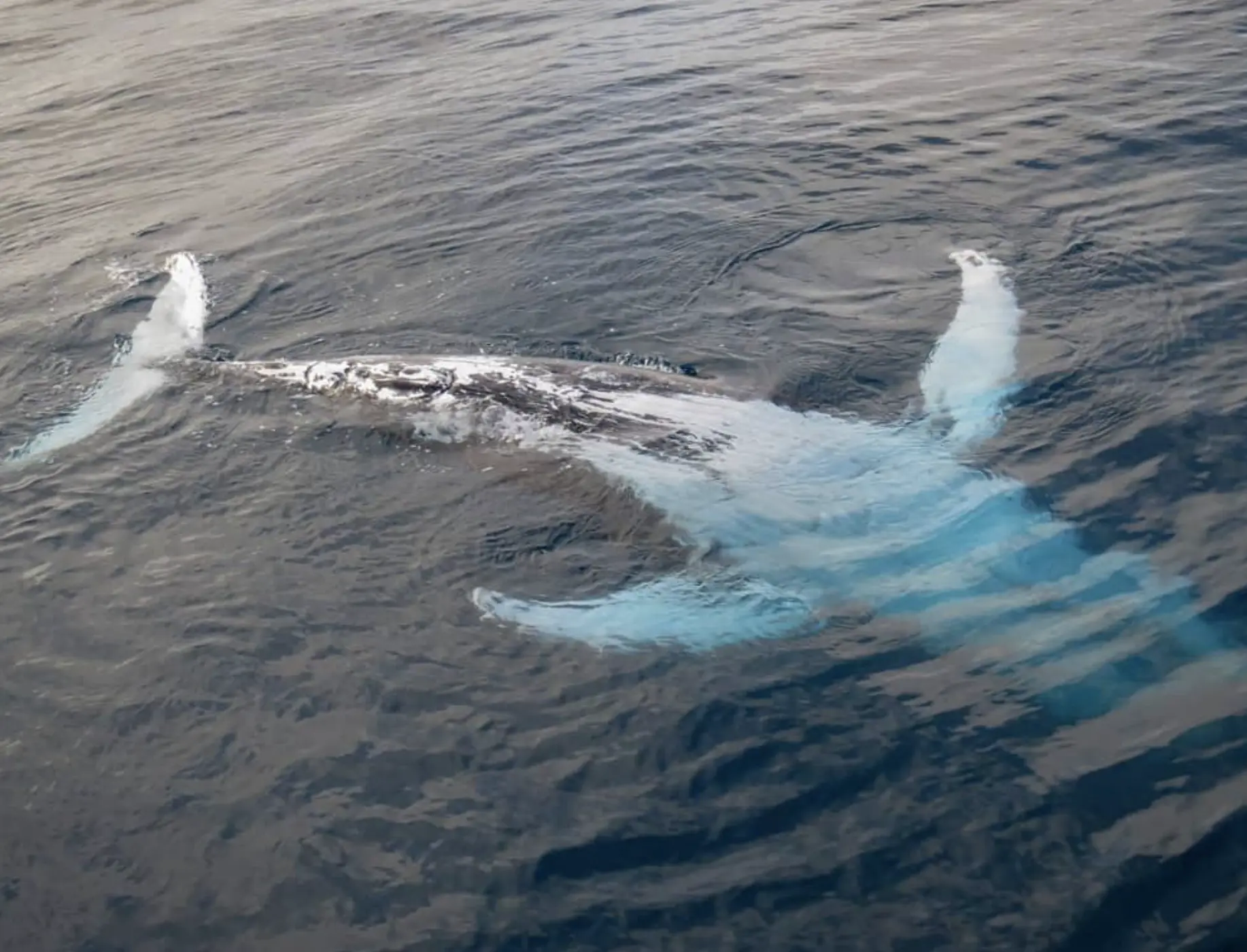
- Humpback whales are acrobats and breach and tail slap when the ocean is calm.
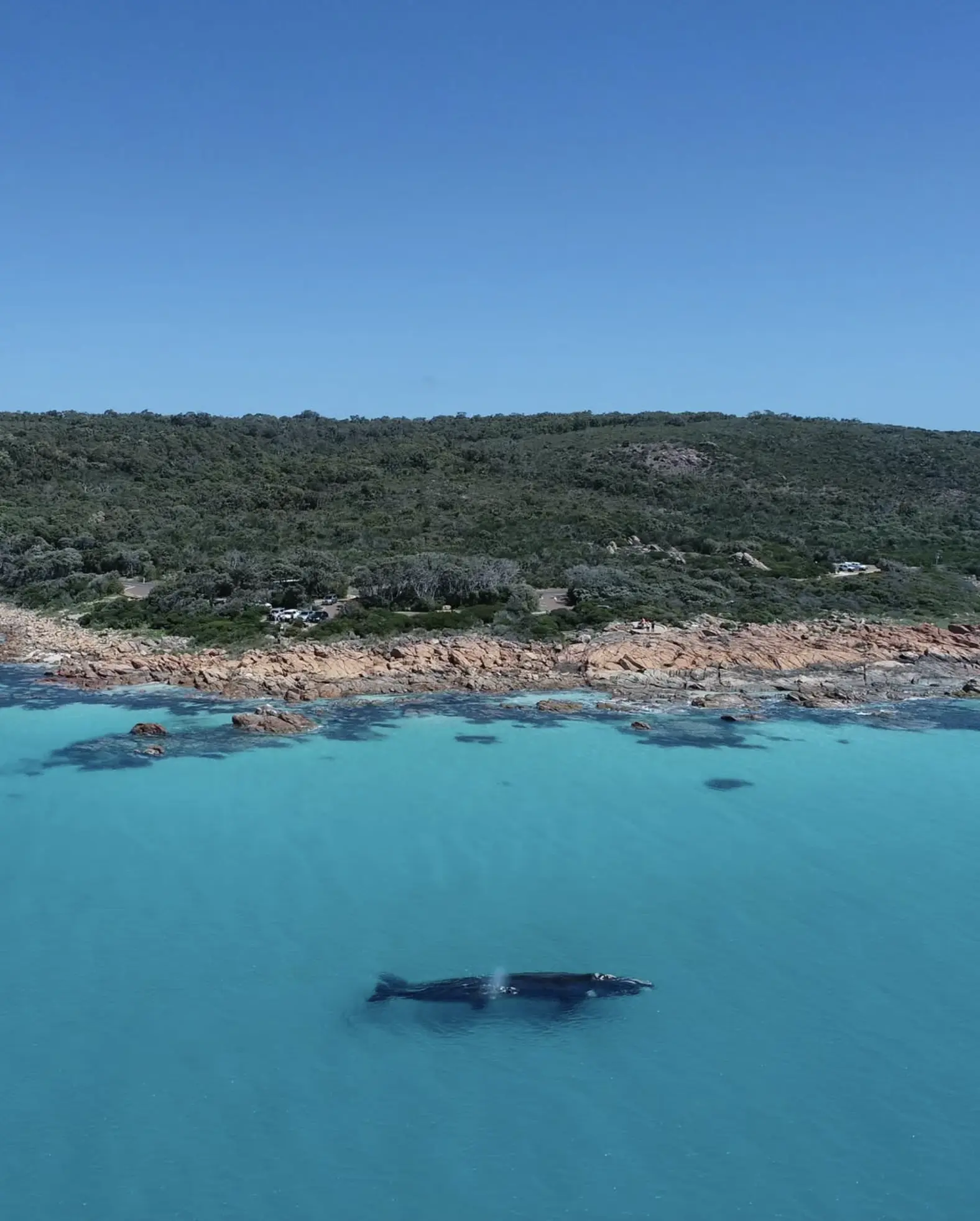
- Southern right whales are closer to shore and are best seen in the morning.
- Blue whales, the biggest of the gentle giants, are in deeper coastal waters and may require a longer return cruise.
Time of day also affects how long and how often whales stay near the surface so you can see multiple behaviours in one trip.
Other Factors Beyond Time of Day
While the best time can improve your whale-watching experience, there are other factors to consider:
1. Whale Watching Season
Australian whale watching season is from May to November, with the peak varying by location. Winter months bring cooler ocean temperatures and whales migrate to warmer waters for breeding and calving.
2. Location
From hidden beaches in Tasmania to beautiful beaches on the Gold Coast, different locations offer different types of sightings:
- National parks like Ben Boyd and Cape Byron have elevated viewpoints.
- Hervey Bay is a whale nursery where mothers and calves rest before the return trip south.
- Victoria’s Logan’s Beach is famous for close-to-shore sightings of southern right whales.
A day trip from Melbourne along the Great Ocean Road gets you to some of the best whale-watching spots and iconic sights like the Twelve Apostles.
3. Ocean Conditions and Water Temperature
- Calm ocean conditions mean better visibility and comfort.
- Changes in water temperature during summer and winter affect the migration paths and behaviour of different species of whale.
4. Type of Boat and Tour Style
- Larger vessels with outdoor seating are perfect for relaxing whale encounters.
- Zodiacs and smaller boats get you up close and personal with the animals but may be more affected by ocean swells.
- Educational tours with marine experts give you valuable insights into whale behaviour, types of boats used and conservation efforts.
Boat vs Land-Based Whale Watching
Boat tours get you closer to the whales and a better chance to see active whales up close. A return cruise with experienced guides includes:
- Onboard commentary with educational insights
- Flexible routes to follow whale activity
- Opportunities to see rare behaviours and multiple species of whale
Land-Based Watching
Not keen to get in the water? Many coastal views from headlands and national parks are great for whale watching:
- Take a beach walk along Twofold Bay or Bondi’s coastal path.
- Go on a day trip with binoculars and see the giants breach offshore.
- Best for spotting whale spouts and tails from a distance, especially in the calm morning.
Plan Your Whale Adventure
To have a great trip and see these incredible creatures:
- Book in advance: Popular tours, especially in peak season or for a specific hour cruise, sell out quickly.
- Pack accordingly: Sunscreen, windbreaker, water and motion sickness tablets if needed.
- Check the forecast: Avoid rough ocean days for a smoother ride.
- Practice responsible tourism: Choose operators who respect whale space and are equipped to respond to an animal in distress.
Other Activities
- Beach walks to secret beaches and coastal lookouts
- Snorkeling and diving in warmer waters
- Picnics or local food tours in coastal towns
- Photography expeditions with marine experts
- Sunset cruises that are also whale watching and sightseeing tours
Whale watching in Australia isn’t just an activity – it’s an opportunity to connect with nature, see amazing creatures in their own backyard and experience one of the most incredible things the ocean has to offer.
Whether you like the blue whales breaching or the humpbacks playing, Australia’s coastline has breathtaking, unmissable experiences. Just book in, choose your time of day and keep an eye on the horizon.
FAQ
Which months are the best for whale watching in Australia?
May to November are the best months as that’s when the whales migrate. That’s the peak whale-watching season for most coastal areas.
Are morning whale-watching tours better than afternoon ones?
Yes, morning tours have calmer ocean conditions and a higher chance of seeing active animals. But afternoon tours like sunset cruises are also scenic and just as good.
Can I see whales from the shore in Australia?
Yes. Some of the best beaches and secret beaches in Australia offer great vantage points. National parks and headlands are good for land-based whale sightings.
What types of whales can I see in Australia?
You can see humpbacks, blue whales, southern right whales and occasional minke whales. Each species has its own migration patterns and behaviour.
Should I book a whale-watching tour in advance?
Yes. Booking in advance is recommended especially during peak season. It ensures you get on your preferred tour time, like early morning or late afternoon return cruise.