
Kakadu National Park in the Northern Territory of Australia is a UNESCO World Heritage Site famous for its natural values, cultural values and biodiversity. As one of the most important national parks on the Australian continent, it has deep cultural significance for the Aboriginal people and Indigenous communities who have been living in the area for over 65,000 years. The park has Australia’s oldest known human occupation sites, archaeological sites and many sacred sites that demonstrate its biocultural values.
Visitors from around the world come to do a Kakadu National Park tour to see ancient rock art, wetlands and wildlife. Many travellers do Darwin day trips to Kakadu, which give a glimpse of the park’s stunning landscapes. However, Kakadu National Park is facing many challenges that threaten its native species, environment and tourism industry.
Climate Change
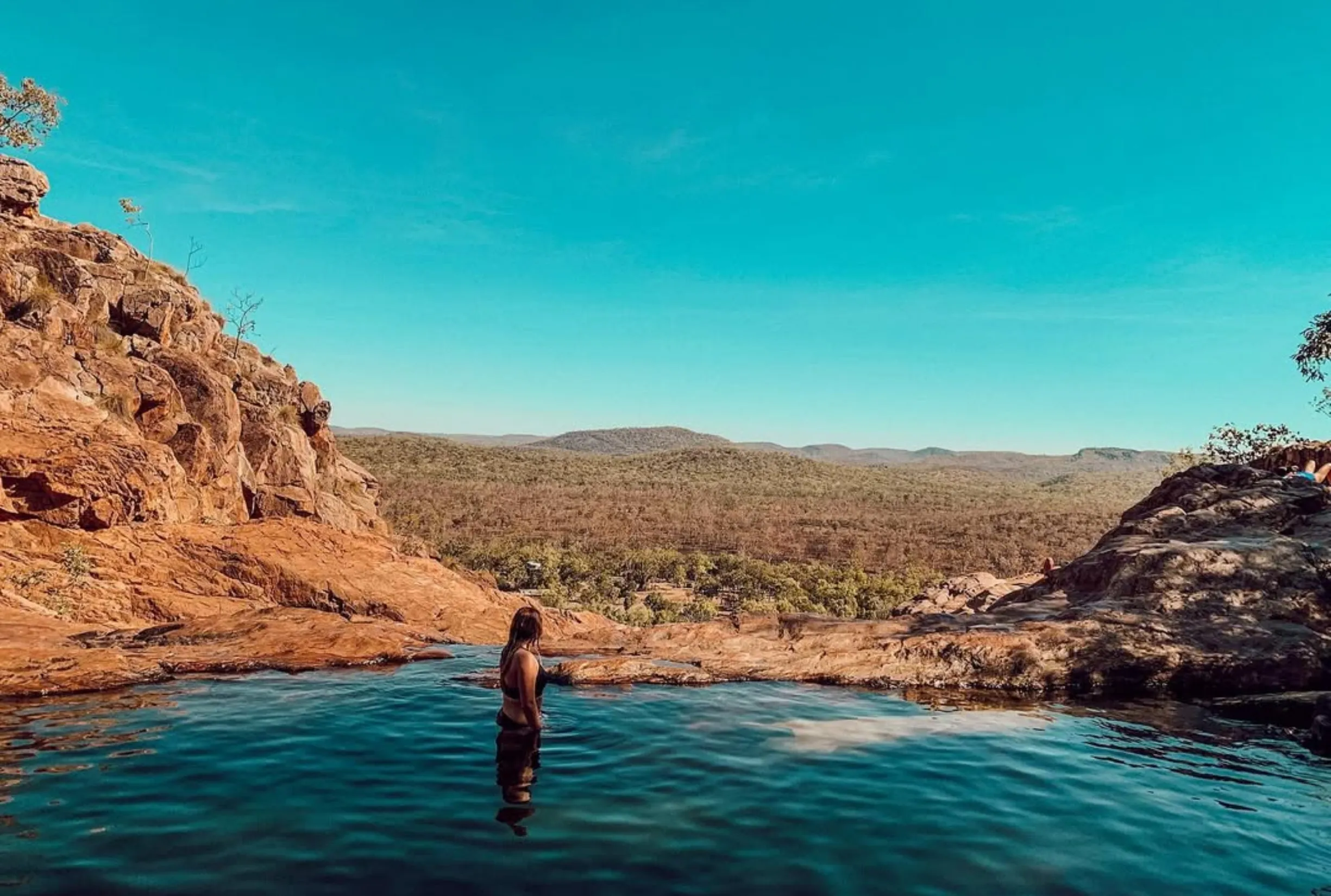
Climate change is one of the biggest threats to the Kakadu National Park. The Intergovernmental Panel on Climate Change has outlined various climate change scenarios that predict rising temperatures, increased wet season rainfall and longer dry season droughts, which are already affecting the park’s natural vegetation, waterways and native species.
Key impacts of climate change in Kakadu are:
- Sea-level rise and saltwater intrusion – The Arnhem Land-Kakadu region is experiencing an increase in saltwater intrusion, which is affecting freshwater bird species such as Magpie Geese (Anseranas semipalmata), a key indicator of ecosystem health.
- Bushfires – The escarpment country is seeing more bushfires, which is disrupting local land management activities and damaging habitats.
- Extreme weather and erosion – Rock formations, cultural sites, and archaeological sites are deteriorating due to increased storm activity.
Despite these threats, many travellers still do 1-day Kakadu tours from Darwi,n which allows them to see the wetlands and iconic landmarks like Gunlom Falls while learning about Aboriginal land and conservation efforts.
Threats from Feral Animals and Invasive Species
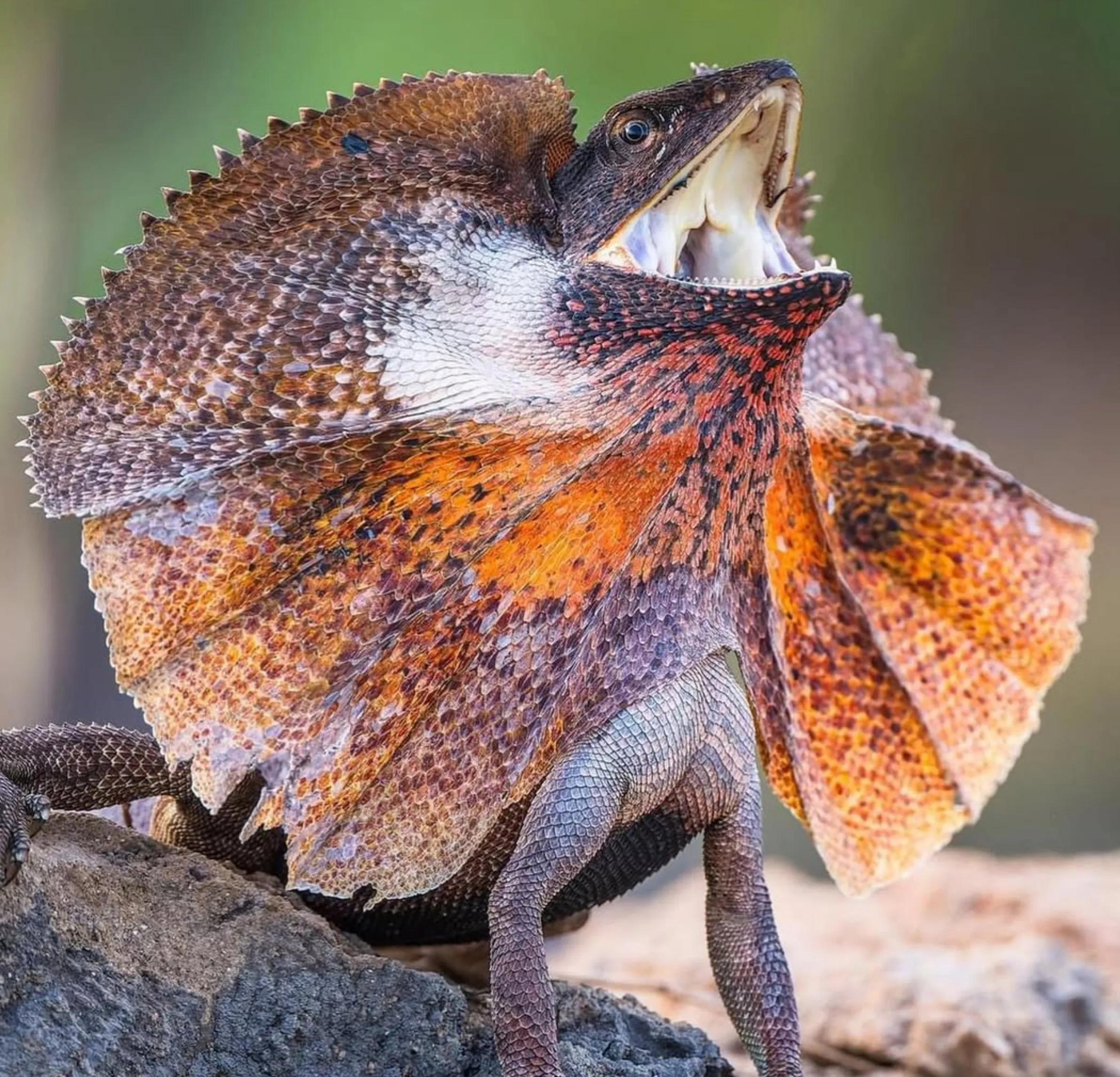
Kakadu’s native title lands are under constant threat from feral animals and invasive species that impact the natural values of the park. Some of the biggest threats are:
- Cane toads – These toxic critters have seen native predators like goannas and quolls decline.
- Feral cats and wild buffalo – These feral animal populations are wiping out native species through predation and habitat destruction.
- Mimosa pigra (invasive weed) – This aggressive plant is replacing natural vegetation, reducing food sources for native species.
On Kakadu Day tours, you’ll learn about these threats from park rangers and Bininj rangers who work hard on management response strategies to control these species and protect environmental values.
Challenges for Aboriginal Land and Cultural Heritage
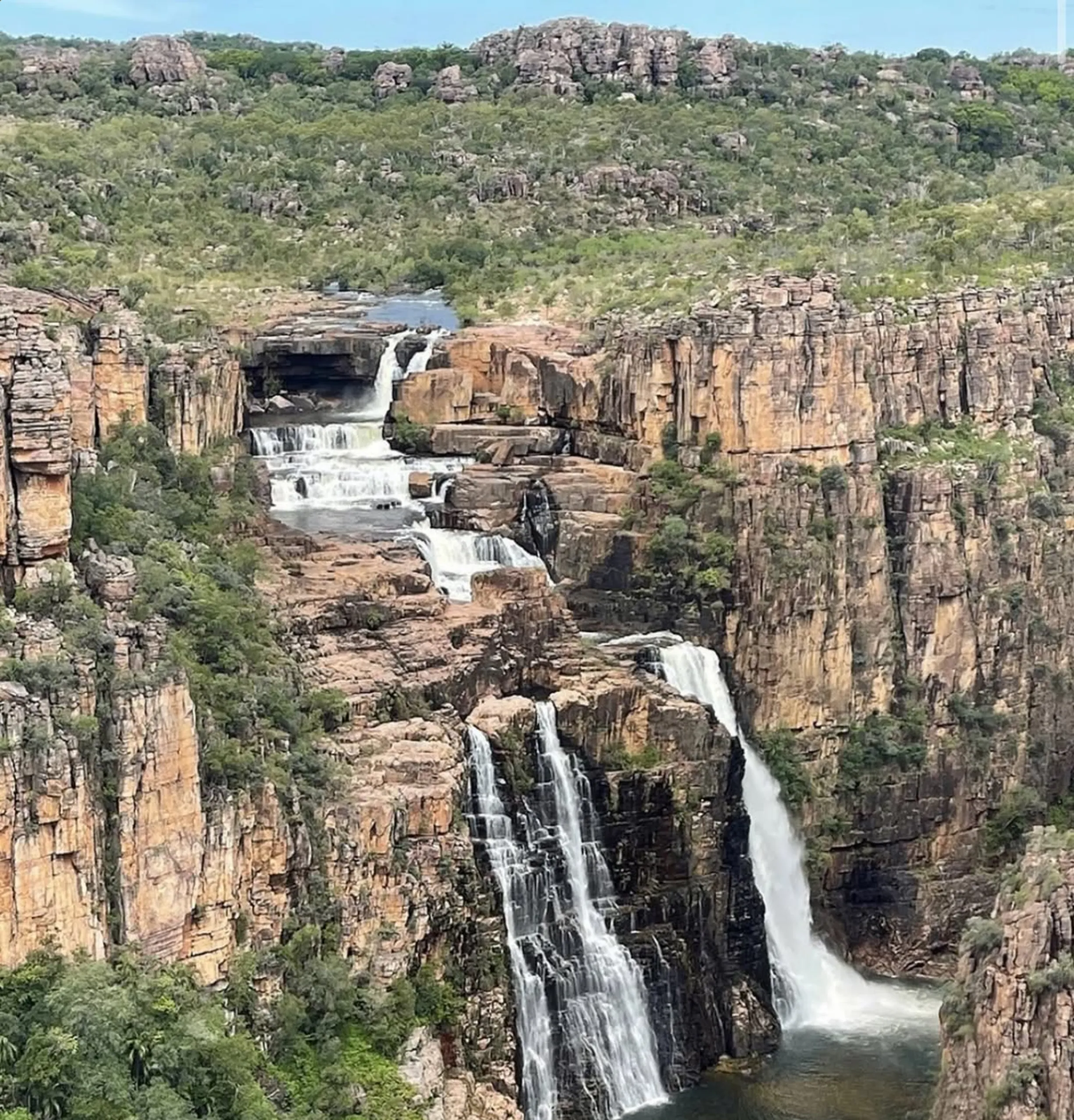
Aboriginal communities in Kakadu National Park have maintained their connection to the land for generations. But modern threats like climate change scenarios, lack of communication actions, and poor waste management policies are putting Aboriginal land and heritage sites at risk.
The biggest challenges are:
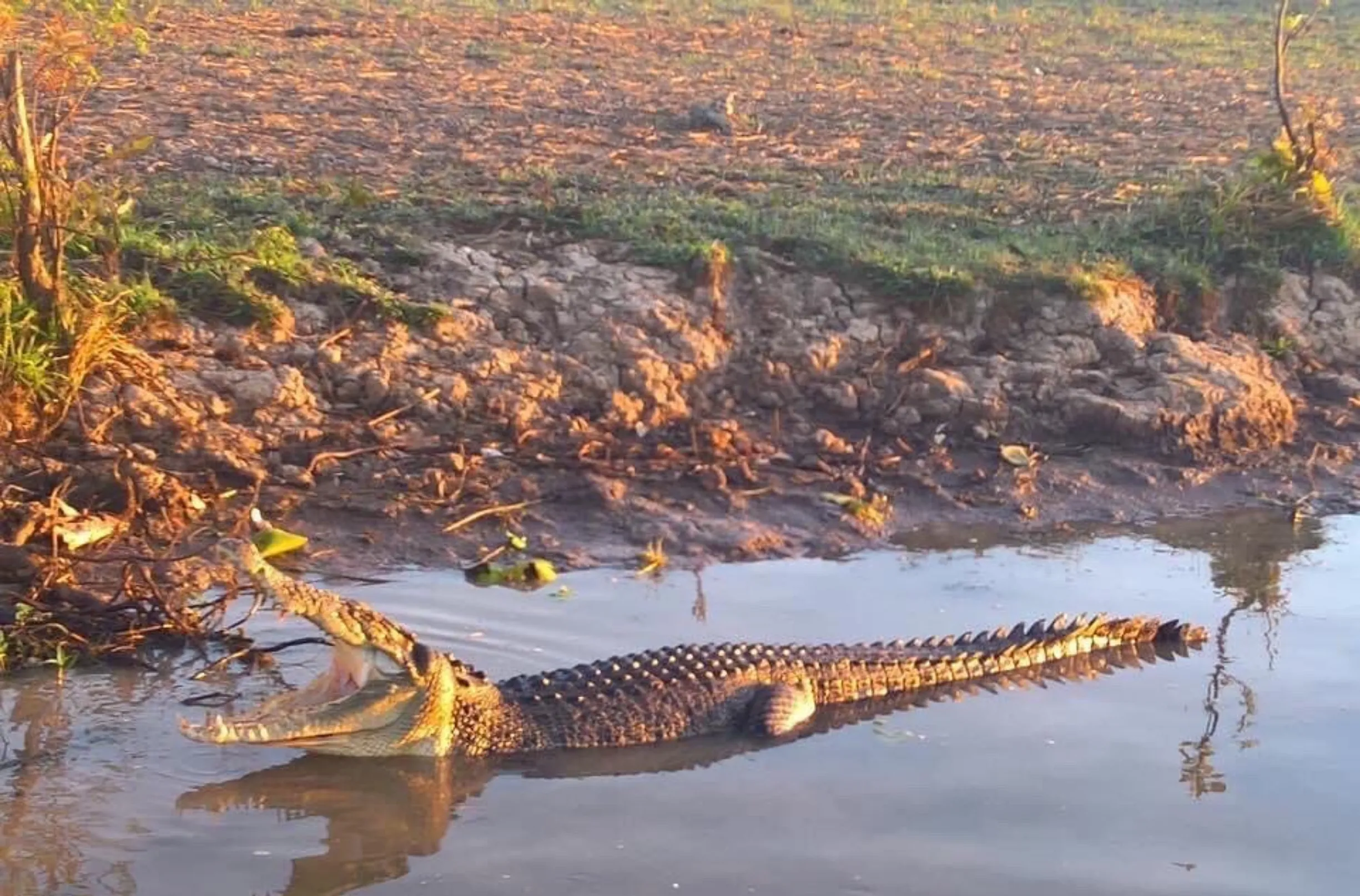
- Erosion and degradation of cultural sites – Sites like Gunlom Falls are impacted by climate change and tourism pressure.
- Lack of Indigenous representation in decision-making – Although boards of management and the board of management govern the park, some Indigenous people feel their voices aren’t heard in senior management decisions.
- Limited funding for heritage conservation – The Commonwealth of Australia and the Department of Climate Change have been asked to increase funding for management response efforts to protect cultural values.
Many people on 5 day Kakadu tours from Darwin get to engage with Indigenous communities, learn about cultural sites and see first-hand why Aboriginal land needs to be protected.
Tourism Challenges and Infrastructure Issues
Despite being a major drawcard in the Northern Territory, tourism in Kakadu National Park is declining. Some reasons are:
- Bad roads and infrastructure – Key attractions like Gunlom Falls and ranger stations are hard to get to during the wet season.
- High fees and seasonal closures – Many visitors are put off by park entry fees and road closures due to climate change.
- Limited accommodation and services – Unlike other parks in the Australian government system, Kakadu has fewer hotels and tourism facilities.
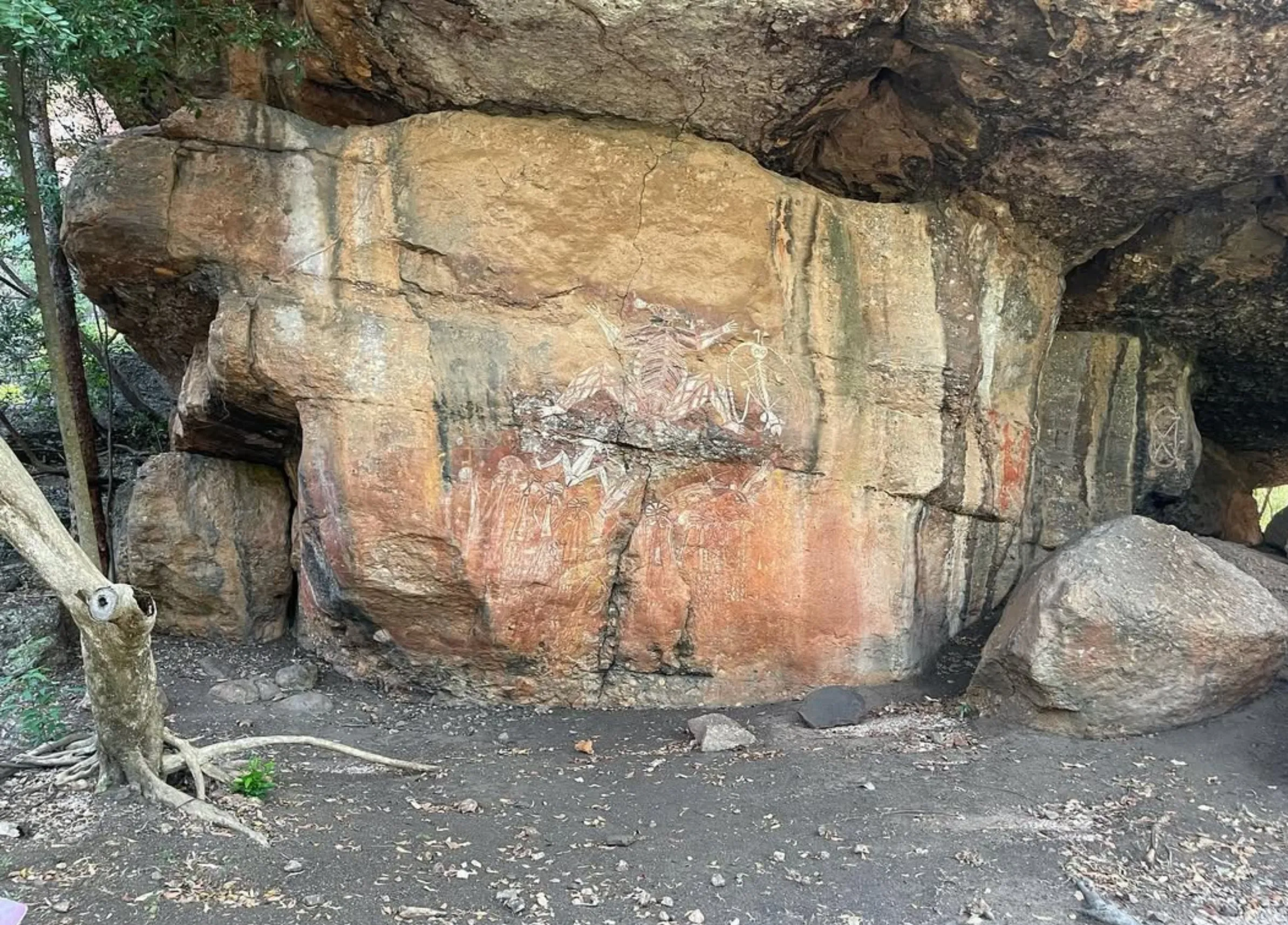
To make tourism more appealing, Parks Australia and the federal government need to invest in management actions that enhance visitor experiences while protecting environmental values. One way to boost sustainable tourism is to promote Darwin day trips to Kakadu, so visitors can see the park’s highlights without devastating the ecosystem.
Future Management Actions
The future of Kakadu National Park depends on good management actions, new conservation ideas and more support from government agencies like the Department of Climate Change.
New technologies like artificial intelligence are being used to improve land management through:
- AI monitoring of feral animals to track their movement.
- Satellite data analysis for climate change to detect changes in wetlands.
- Automated rubbish collection to keep the park clean.
And Country AI initiatives are being developed to combine Aboriginal people’s traditional knowledge with modern conservation tools. So, future visitors on Kakadu National Park tours can enjoy this landscape without trashing it.
Conclusion
Kakadu is a site of great importance, with many native plants, cultural sites, and stunning landscapes. But the impacts of climate change, invasive species, tourism and governance issues are huge risks.
To secure its future, we need:
- Stronger environmental management plans and conservation.
- More communication to empower Indigenous communities.
- Better infrastructure and tourism development to boost the park’s economic benefits.
- Collaboration between the Australian government, management boards and scientific institutions to develop climate change strategies.
By doing so Kakadu National Park can remain part of the Australian continent for generations to come, preserving its natural values, cultural values and biocultural values.
FAQ
What are the biggest threats to Kakadu National Park?
Kakadu National Park faces multiple threats: climate change, invasive species, feral animals and tourism. Rising temperatures, saltwater intrusion and extreme weather events are affecting the park’s vegetation and native species.
How does climate change affect Kakadu National Park?
The effects of climate change on Kakadu are longer dry seasons, unpredictable wet seasons, more bushfires and saltwater intrusion into freshwater wetlands. This is affecting key species like Magpie Geese (Anseranas semipalmata) that breed in the park’s wetlands.
What is being done to protect Kakadu’s cultural and natural values?
Parks Australia, management boards and Bininj rangers are doing land management to protect cultural sites, archaeological sites and natural values. Conservation programs are controlling feral animals, restoring vegetation and improving waste management to reduce human impact.
How can tourists visit Kakadu National Park responsibly?
Visitors can support conservation by following park rules, staying on the trail and respecting cultural sites and sacred sites.
What are the best ways to explore Kakadu National Park?
There are multiple ways to explore Kakadu, including Kakadu Day tours, 1 day Kakadu tours from Darwin, and multi-day adventures.